How Value Weaponises the Machine
Matt Cole uses the labour theory of value to explore why digital technologies are so exploitative.
Matt Cole uses the labour theory of value to explore why digital technologies are so exploitative.

Emma Pirnay recovers the gendered history of film editing and considers how we can recognise marginalised labour.

Named a Most Anticipated Book of 2021 by Thrillist, The Millions, Frieze, and Metropolis Japan, Terminal Boredom by Izumi Suzuki showcases her singular slant on speculative fiction that would be echoed in countless later works, from Neuromancer to The Handmaid’s Tale.

James Muldoon on Gavin Mueller and the tension between Marxist critique and technological optimism.
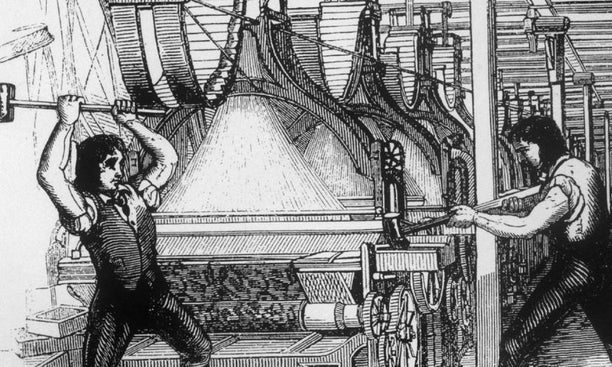
Introducing the Verso Roundtable on Gavin Mueller's book, Breaking Things at Work: The Luddites Were Right About Why You Hate Your Job

Sara Colantuono and Arlen Austin interviews Silvia Federici on the Coronavirus pandemic and capitalist development.

Andreas Malm response to critics of How to Blow Up a Pipeline and asks when, and how, will the militant resistance movement emerge.

What can the interaction of McCarthyism, Sparticus and Pinochet show us about the powers of dissensus?

An excerpt from Tomorrow They Won’t Dare to Murder Us: A Novel by Joseph Andras.

William S. Lewis examines the contribution to philosophy of science made by Lefebvre, in the context of his membership of the French Communist Party.
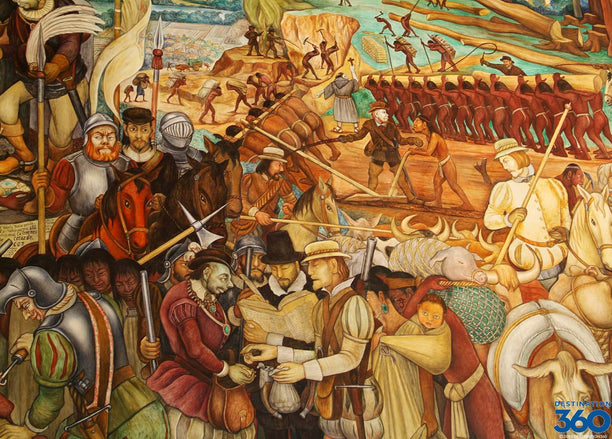
For Jean-Baptiste Fressoz and Fabien Locher, the evolution of climates has been of concern to humans for five centuries, and the subject has been central to political and social debates well beyond scientific circles.
Why have parties of the centre-left come unstuck across Western Europe since the turn of the century, asks historian Donald Sassoon in an extract from his new book, Morbid Symptoms: Anatomy of a World in Crisis.