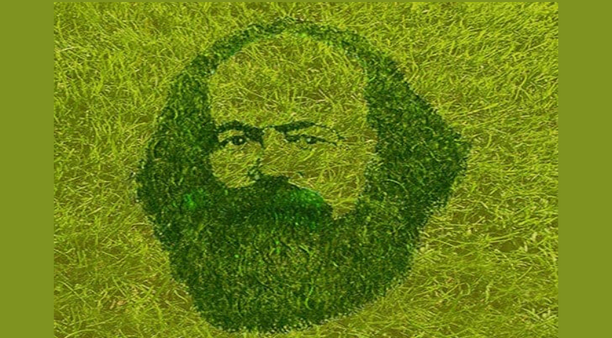
Eco-socialist futures
We need radical ideas and systemic change to combat the urgent threat of climate disaster. This reading list of eco-utopian thinking can help guide us.
We need radical ideas and systemic change to combat the urgent threat of climate disaster. This reading list of eco-utopian thinking can help guide us.

In a real sense, I ought to be able to deduce Fascism from the memories of my childhood. Now that they, officials and recruits, have stepped visibly out of my dream and dispossessed me of my past life and my language, I no longer need to dream of them. In Fascism the nightmare of childhood has come true.
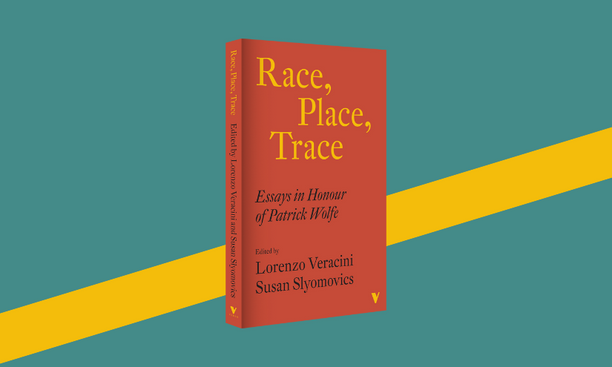
Lynette Russell contextualises the importance of Patrick Wolfe in the study of settler colonialism.

Honorée Fanonne Jeffers offers a lyrical introduction to Darkwater: Voices from Within the Veil by W.E.B. Du Bois.

“The Culture Wars cannot be seen on their own–they are part of something bigger, and more dangerous.” A letter from the editor of Robert Bevan’s Monumental Lies.

“The revolutionary spirit will be surpassed by the number-one requirement of the modern world: mutation.”

“A good half of all global debt is linked to a tax haven.” An excerpt from Keystroke Capitalism by Aaron Sahr.

The author and political activist Barbara Ehrenreich died on the 1st September 2022 at the age of 81. Here, Lynne Segal looks beyond her best-selling work Nickel and Dimed to the major role she played in women’s liberation and U.S. socialism.

To find out whether a person means us well there is one almost infallible criterion: how he passes on unkind or hostile remarks about us.
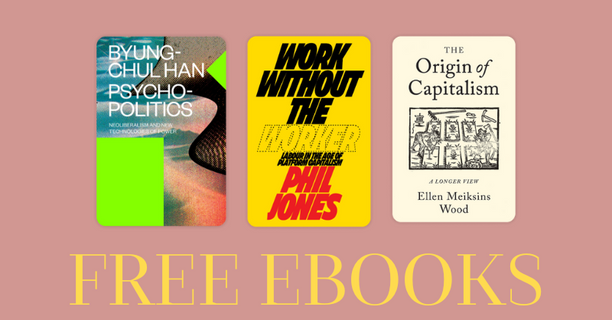
Ebooks on the origins of capitalism, the future of labour, and neoliberalism!

"In the end, glorification of splendid underdogs is nothing other than glorification of the splendid system that makes them so."
The World Transformed is BACK in 2022! Enjoy 40% off these essential books for UK socialists!