
Pedagogy of the Occupied
How can Paulo Freire, who would have turned 100 this week, help us think the limits that Occupy encountered ten years ago?
How can Paulo Freire, who would have turned 100 this week, help us think the limits that Occupy encountered ten years ago?

Shifting demographic trends across the West, driven in part by new global migration and refugee movements, are creating both new discourses about race and forms of racism. In this essay, Etienne Balibar argues that today's analyses must examine anti-Semitism and Islamophobia together, as parallel manifestations of contemporary racism.
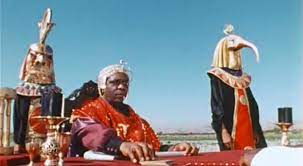
Lorenzo Veracini traces Black nationalism and conversations on displacement and diaspora in the era of Reconstruction and its aftermath.

The Shadow of the Mine by Huw Beynon and Ray Hudson describes the experience of coalmining communities over the long twentieth century. But what is a coalfield, and what does it become after the last coalmines have closed?

10 essential books for building a socialist future, all 50% off!
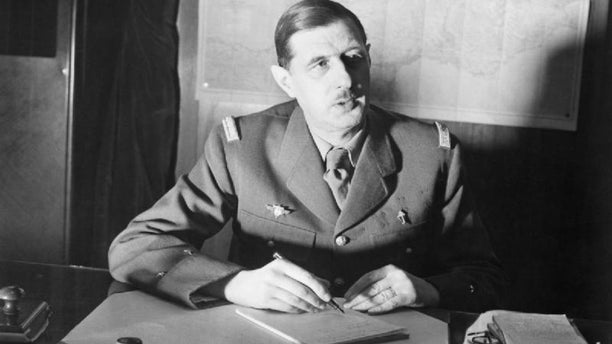
The 1968 revolts in France live in popular memory as the country's most significant political moment in the twentieth century. In this extensive interview, Grey Anderson urges us to turn our attention instead a decade earlier to 1958 and the fall of the Fourth Republic. Anderson argues that the Fourth Republic's demise was a coup that allowed de Gaulle to seize power and crush his oppostion.
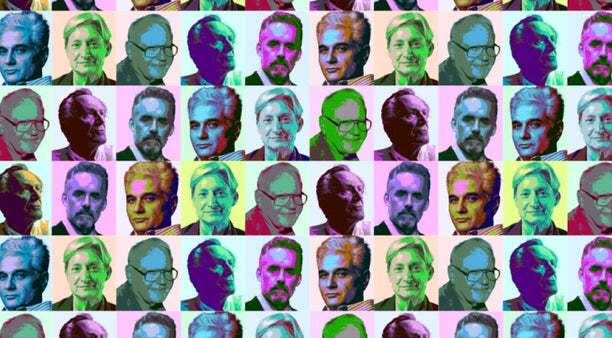
"Post modernity ‘originated under the star of’ neoliberalism and should be seen as much a system of market discipline as a philosophical set of ideas expressed through cultural forms. It is both the alibi and indictment for neoliberalism, but is too ironic, too cool to call itself out." –Leo Hollis, editor
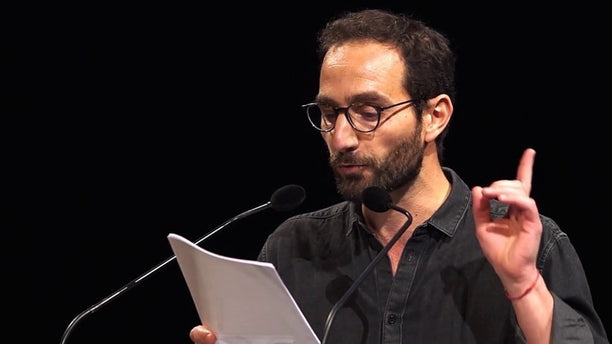
In this age of compounding climate crisis, how should we understand the relationship between politics and nature?Sociologist and leftist organizer Razmig Keucheyan reflects on the answer through this thoughtful discussion of environmental racism, consumerism, and pandemic.
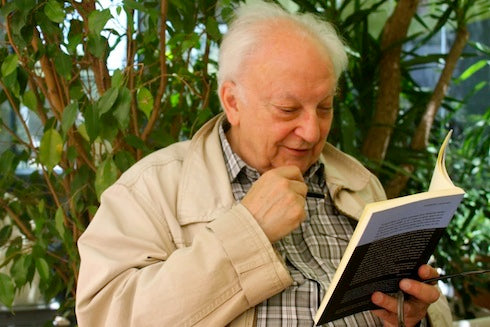
The COVID-19 pandemic is forcing the state to remake itself through, among other things, monetary police and public services. In this important interview, Etienne Balibar reflects on democracy, revolution, and neoliberal capitalism in the Coronavirus era.
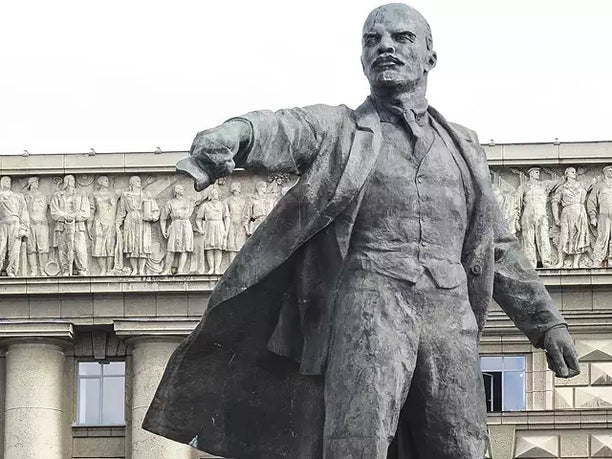
There's no question that we're living in a moment of ecological crisis precipitated by capitalism's insatiable drive to expansion, but how should the left organise itself in the fight to prevent ecological collapse? Frédéric Lordon argues that the left must adopt a neo-Leninist position in order to develop and maintain a strategic, macroscopic objective in opposition to capitalism.
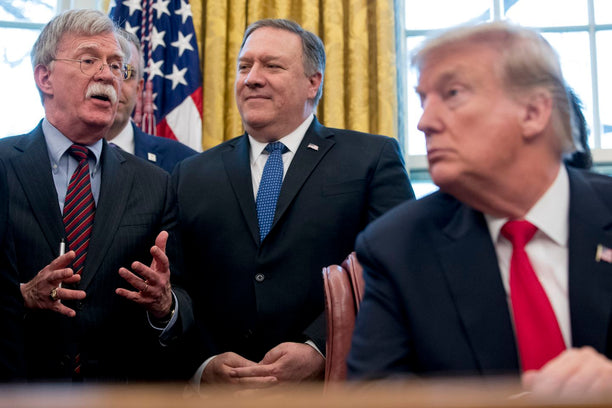
While the new McCarthyites like Michael Pompeo, John Bolton, and Stephen Miller were responsible for the Islamophobic hysteria generated, their arguments were enabled by the liberal establishment.
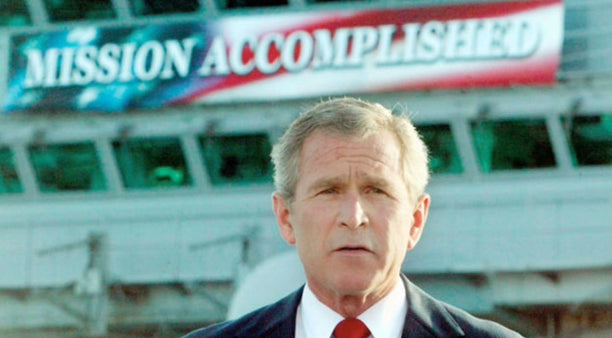
Essential readings on the United States' imperialist ventures in the Middle East by Deepa Kumar, Suzanne Schneider, and Andrew Cockburn.