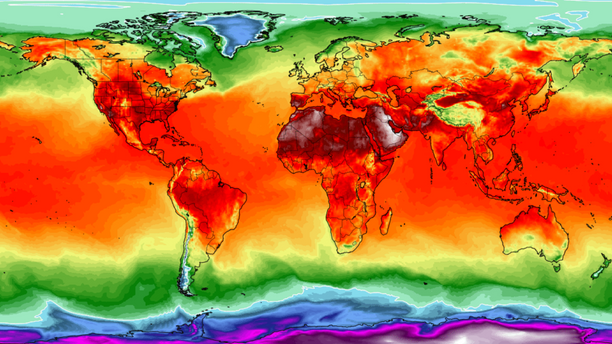
When Does the Fightback Begin?
Andreas Malm response to critics of How to Blow Up a Pipeline and asks when, and how, will the militant resistance movement emerge.
Andreas Malm response to critics of How to Blow Up a Pipeline and asks when, and how, will the militant resistance movement emerge.
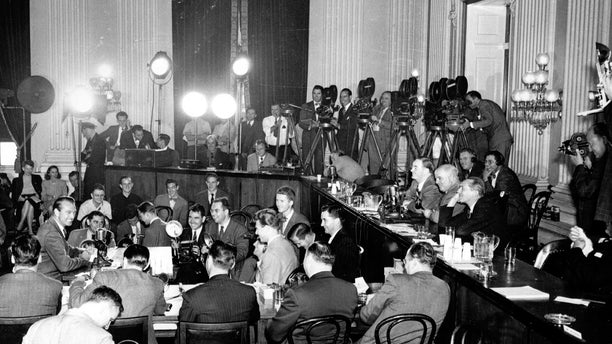
What can the interaction of McCarthyism, Sparticus and Pinochet show us about the powers of dissensus?
An excerpt from Tomorrow They Won’t Dare to Murder Us: A Novel by Joseph Andras.
William S. Lewis examines the contribution to philosophy of science made by Lefebvre, in the context of his membership of the French Communist Party.
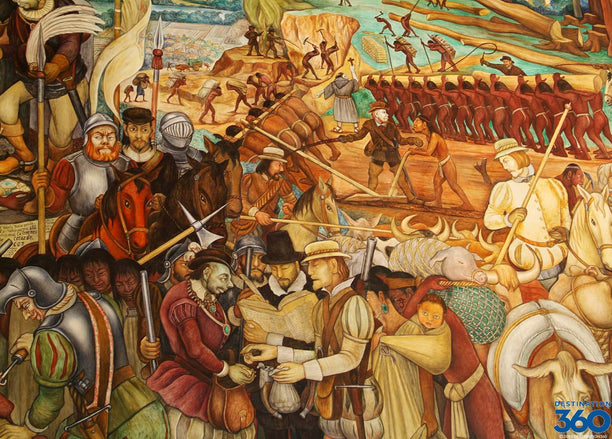
For Jean-Baptiste Fressoz and Fabien Locher, the evolution of climates has been of concern to humans for five centuries, and the subject has been central to political and social debates well beyond scientific circles.
Why have parties of the centre-left come unstuck across Western Europe since the turn of the century, asks historian Donald Sassoon in an extract from his new book, Morbid Symptoms: Anatomy of a World in Crisis.

Ross’s engrossing, surprising, and gracefully written story shows how the stones of historic Palestine, and Palestinian labor, have been used to build the state of Israel—in the process, constructing “facts on the ground”—even while the industry is central to Palestinians’ own efforts to erect bulwarks against the Occupation.
The philosopher Étienne Balibar reflects on humanity's uniqueness as a species, and the pandemic's reminder of our existence at the crossroads of biology, medicine and anthropology.

Malm and the Zetkin Collective's latest contribution reveals the racist roots of ecofascism.
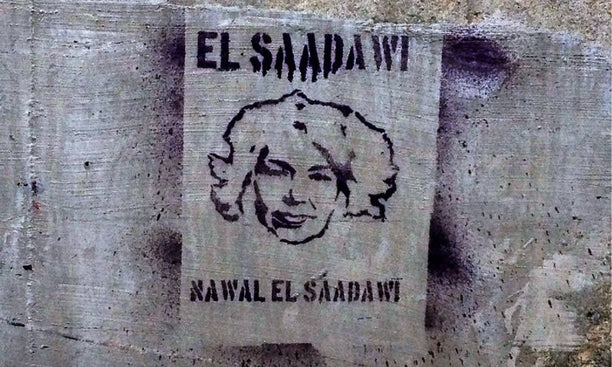
The life and work of Nawal El Sadaawi (1931 - 2021) can't be reduced to simple categories of political thought. Nihal El Aasar asks: how do we remember those whose positions were as complex as they were inspiring?
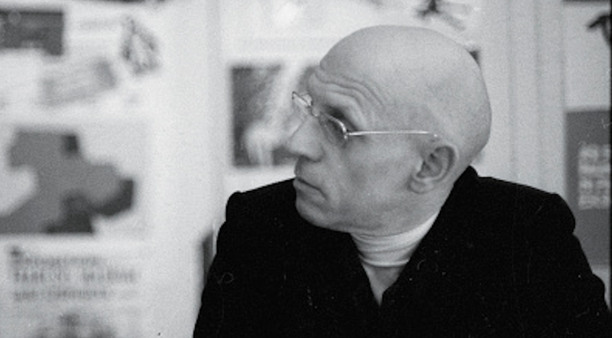
The Foucault Wars never ended, and this latest salvo is by far amongst the most interesting.
From post-68 militancy to the pandemic disruption of today, sociologist Göran Therborn traces the shifting contexts for the landmark essays collected in his latest book, Inequality and the Labyrinths of Democracy