Blog

  • The World We Want

    The World We Want

    Crises are always moments of decisions. They are moments when we must set out what our priorities are, and asks us how we can achieve them. Peter Hallward argues that the present one caused by the Covid-19 pandemic, could provide the immediate conditions for a new way of living. The clock is ticking, and the stakes are clear. What are we going to do?

  • For an Agonistic Pluralism

    For an Agonistic Pluralism

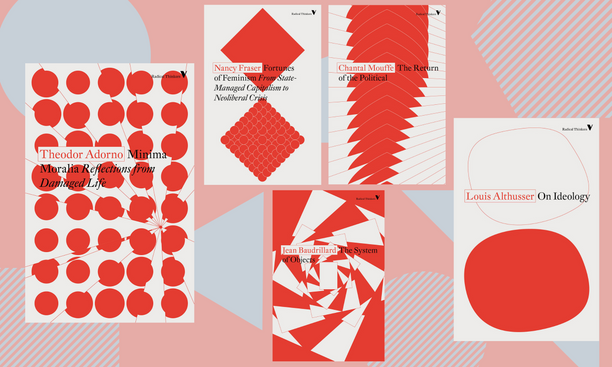
    The introduction to Chantal Mouffe's The Return of the Political, a critique of liberal democracy's inability to understand the problems of ethnic, religious and nationalist conflicts.

  • Ideology and the State

    Ideology and the State

    The State is a 'machine' of repression, which enables the ruling classes to ensure their domination over the working class, thus enabling the former to subject the latter to the process of surplus-value extortion (i.e. to capitalist exploitation).

  • Fortunes of Feminism

    Fortunes of Feminism

    To combat the subordination of women requires an approach that combines a politics of redistribution with a politics of recognition.

  • States of Emergency, Metaphors of Virus, and COVID-19

    States of Emergency, Metaphors of Virus, and COVID-19

    With the COVID-19 pandemic increasing in severity by the day, governments across the world have invoked viral metaphors to effect emergency legislation, in the process clamping down on civil liberties. In such a circumstance, what can the work of those who have studied liberal regimes' propensity to make the state of exception the rule, such as Giorgio Agamben and Carl Schmitt, offer to us – if anything at all?

  • Stop Me If You Think You've Heard This One Before: A Study in the Politics and Aesthetics of English Misery

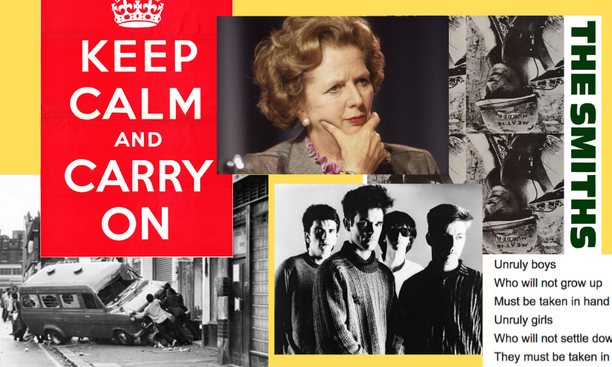
    Stop Me If You Think You've Heard This One Before: A Study in the Politics and Aesthetics of English Misery

    Owen Hatherley reflects on the generational divides that have emerged over the course of the last two UK general elections by charting the musical evolution of The Smiths. Comparing Morrissey’s political trajectory to those of many voters throughout the North of England, Hatherley investigates the roots of the North’s departure from anti-Thatcherite collectivism to nationalist reaction.