
Defensible Space
“Megafires” are now a staple of life in the West, but how we talk about them illustrates the tension at the heart of the western myth itself.
“Megafires” are now a staple of life in the West, but how we talk about them illustrates the tension at the heart of the western myth itself.

In his successful presidential campaign, Brazilian far-right politician Jair Bolsonaro has mobilised voters from across the political spectrum. So how can we understand the growing support for authoritarianism in Brazil? Interviewed here for the Portuguese-language edition of Deutsche Welle, Chilean-Brazilian philosopher Vladimir Safatle reads the success of Bolsonaro's “anti-campaign” as the opening shot in an ascendant post-liberal fascist politics that has shifted the locus of action from the streets to the virtual realm.
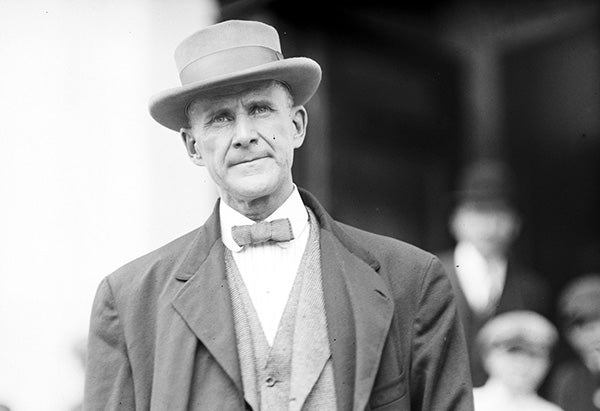
Check out a preview of the new graphic biography of Eugene Debs, coming out next February!

"Creativity is a distinctly neoliberal trait because it feeds the notion that the world and everything in it can be monetized. The language of creativity has been subsumed by capitalism" - an excerpt from the Introduction to Against Creativity by Oli Mould.

Decades after the military coup, micro-fascism still structures everyday life in Chilean society. But the influence of the Pinochet regime is not only limited to the subcontinent, as a T-shirt with the slogan "Pinochet Did Nothing Wrong", worn by a neo-fascist in Portland, Oregon shows. In this article, Oscar Cabezas tries to understand how an inept dictator is turned into an icon of xenophobia, racism and anti-communism, and argues that this is enabled by the erosion of the public space of politics, and its disconnect from the values that democracy supposedly promotes.
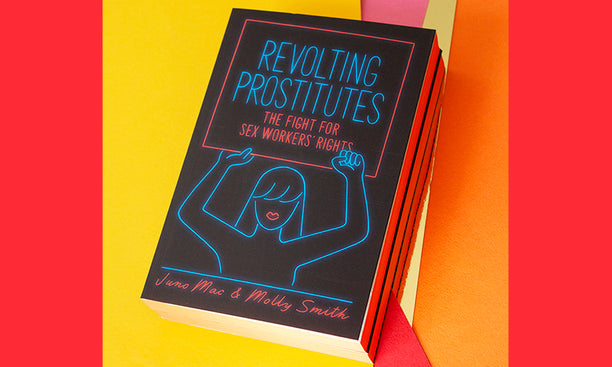
Juno Mac and Molly Smith's groundbreaking book is out now and 40% off until November 11.
In the latest episode of Who Makes Cents: A History of Capitalism Podcast, Louis Hyman joins Betsy Beasley and David Stein to discuss the historical roots of the forms of casualized and precarious labour characteristic of the gig economy.

Following Bernie Sander's unsuccessful campaign for the Presidential nomination in 2016, the Democratic Party has once more become a site of struggle for socialists. Leading up to the November 6th midterms, could the Democratic Party, in fact, be the best vehicle for social change? In this essay, first published over 30 years ago, Mike Davis warns us about the pitfalls of electoralism, and the passive clientelism that tends to replace popular politics under the bureaucratic guidance of the Democratic Party.

50% off selected classic texts, including books on Frantz Fanon, Carl Schmitt, John Lennon, changing family structures, the Afrocentric movement, science fiction, English Marxism and the history of US class struggle.
Now online

Rodrigo Nunes discusses Jair Bolsonaro's election victory in Brazil, Bolsonaro's background, the composition of his electoral coalition, the mistakes of the Brazilian Worker's Party, and the nature of the contemporary far right, with Alex Doherty on the Politics Theory Other podcast
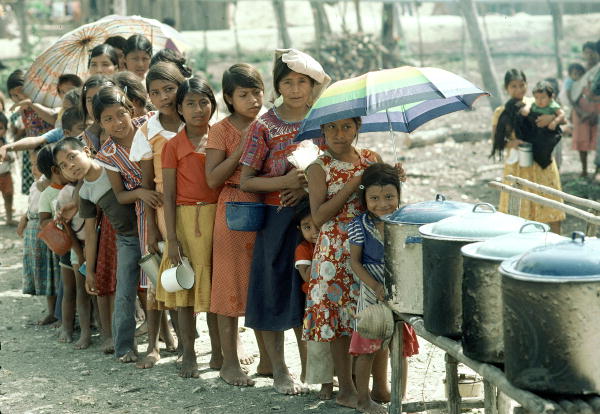
With increasing right-wing fervor over the caravan of Central American migrants headed for the USA’s southern border, we need more than ever to articulate a theory of mobility justice. Here, we present an excerpt from the first chapter of Mimi Sheller’s Mobility Justice, outlining the need for a conception of movement that is focused not only on accessibility, but also equity.