
Who Makes Cents: A History of Capitalism Podcast — Episode 49: Special Episode on Intersectionality and Capitalism
Ula Taylor, Barbara Ransby, and Charlene Carruthers discuss race, gender, and the contradictions of capitalism.
Ula Taylor, Barbara Ransby, and Charlene Carruthers discuss race, gender, and the contradictions of capitalism.
Our selected media and culture reading for the academic year.
This critique of identity is absolutely and emphatically not a proposal that race should be put second or waved away. It is an insistence on recognizing the material reality of race as a social relation, and forming a more adequate theoretical understanding of it that can be useful for struggles against racism.
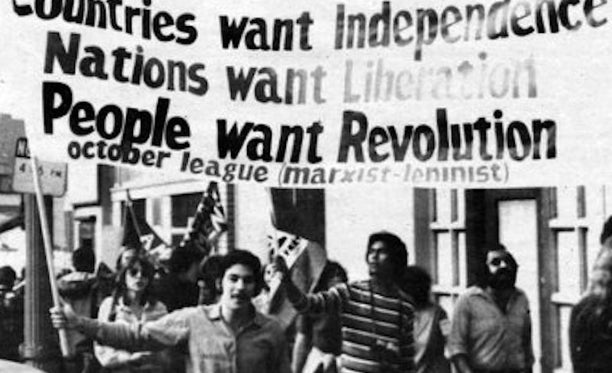
The main reason to look back at the history of the New Communist Movement is to glean any lessons that can be useful for rebuilding a revolutionary left under today’s dramatically changed conditions.
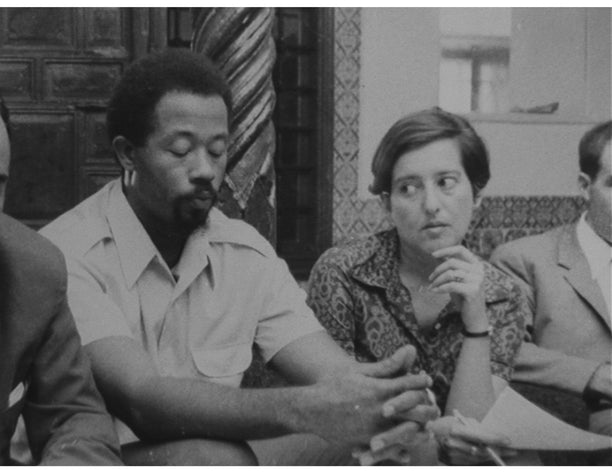
Elaine Mokhtefi's account of a time when, having just overthrown French occupation, the city was a "Mecca for revolutionaries." Now 40% off until Sunday, September 2 at 11:59pm EST.
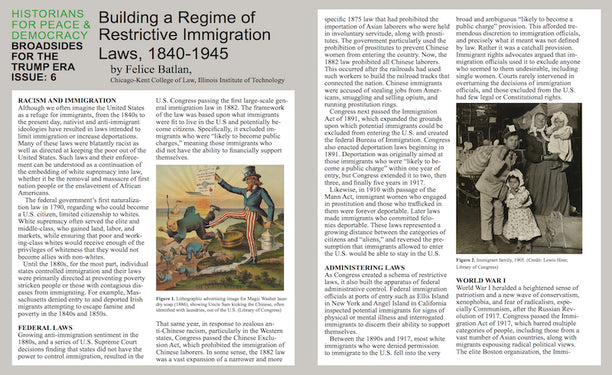
In this compact, printable history, Felice Batlan traces the development of US immigration restrictions from the mid-nineteenth through the mid-twentieth century.

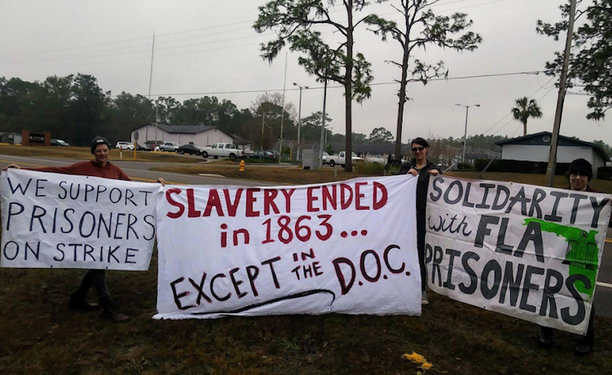
This year's ongoing nationwide prison strike demonstrates the upsurge in a movement that is “self-organized, independent, and fighting against the brutality of the prison system.”

Ben Harker maps Williams’s developing positions on the relationship between culture, consciousness, class power, and socialist strategy.

Penelope J. Corfield writes about the intellectual development of her uncle Christopher Hill, one of the most influential writers on seventeenth century England and leading Marxist historian.

An edited extract from the introduction of Kathi Weeks's Constituting Feminist Subjects, which is republished as part of our Feminist Classics set this month
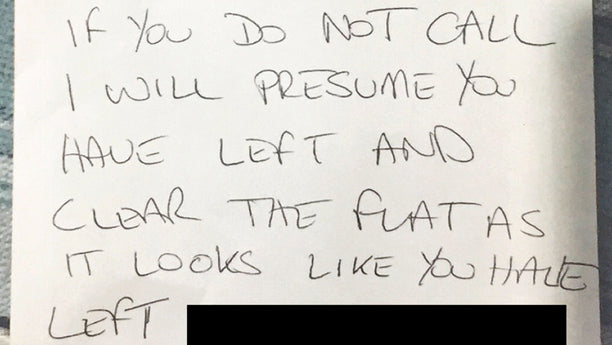
At the heart of Glasgow's unfolding humanitarian crisis for asylum seekers is a system that rewards profit at the cost of humanity, argues Rosa Dee.