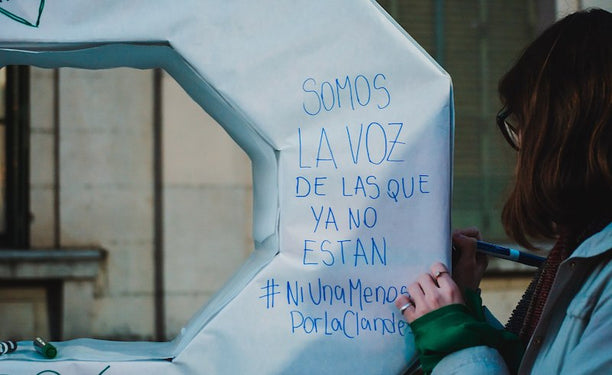
Fury and Euphoria: A Declaration from Ni Una Menos to Our Feminist Comrades Around the World
The battle for legal abortion in Argentina is the starting point of a much broader struggle.
The battle for legal abortion in Argentina is the starting point of a much broader struggle.
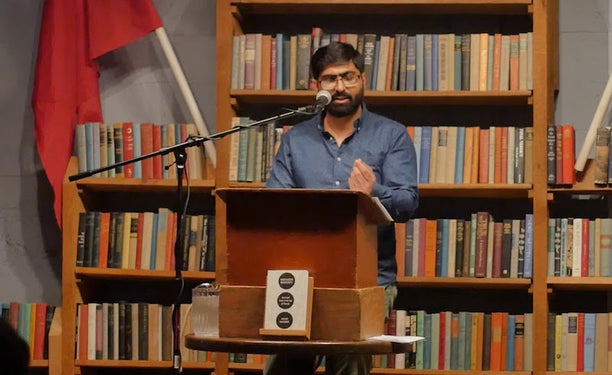
"We can't decide in the abstract which of any social relations is more determinant in any particular social phenomenon. Some have primacy in particular moments, some come in a particular kind of sequence, but we can't just say: race, class, which one is more important?"

Adam Tooze discusses the causes of the 2007/08 financial crash, comparisons with the Great Depression, the German response during the Eurozone crisis and the geopolitics of the Federal Reserve's crisis management with Alex Doherty on the Politics Theory Other podcast.
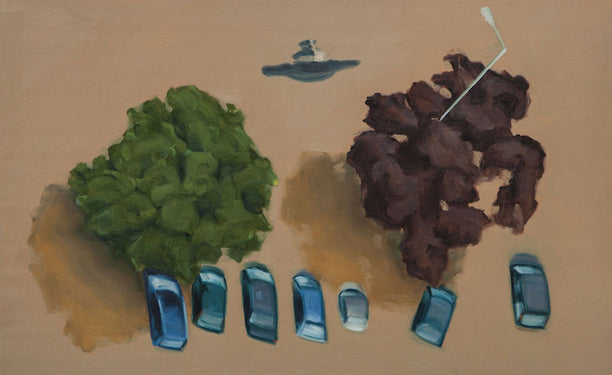
The sea has long been a defining feature, indeed an inevitability in Cuban art, literature, and life. Now it turns ominous.
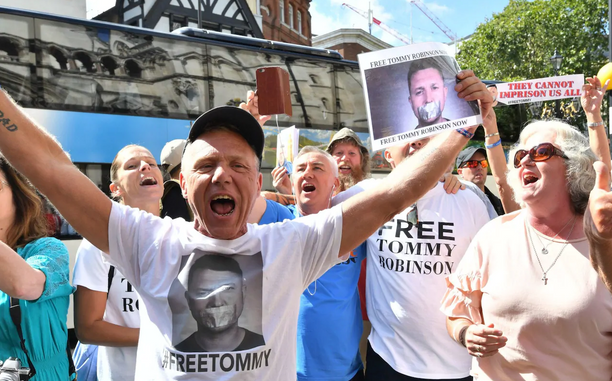
The arrest and imprisonment of Tommy Robinson turned him into a cause célèbre for the rejuvenated global far-right. Following his release on bail, Eleanor Penny discusses the reaction to his arrest, free speech, and the death cult of the far-right.

Verso presents a reading list to engage with issues concerning the rise of the far-right, and the means of defending against it.
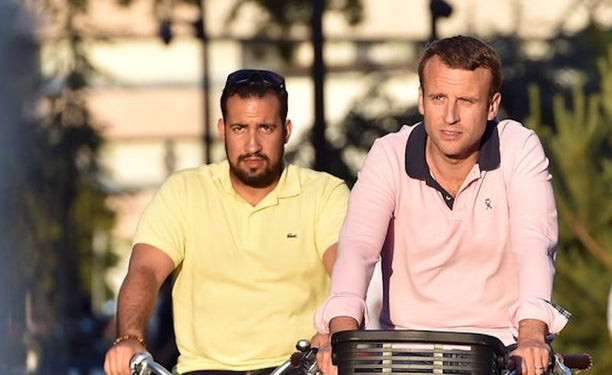
The revelation that Emmanuel Macron’s bodyguard disguised himself as a riot cop in order to beat up protestors exposes larger problems with the presidency and policing in France.
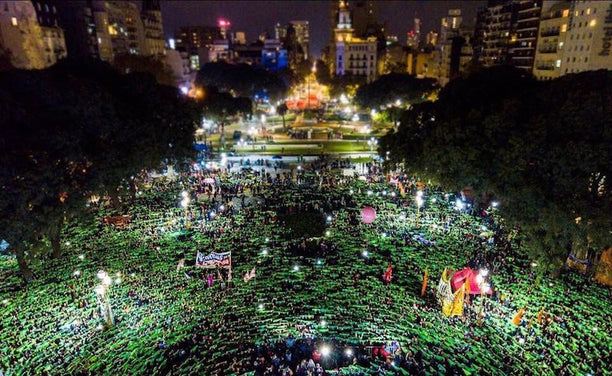
If the law is not passed, we will not leave the streets, and they will not be able to leave the congress building, because in the street legal abortion is already the law.
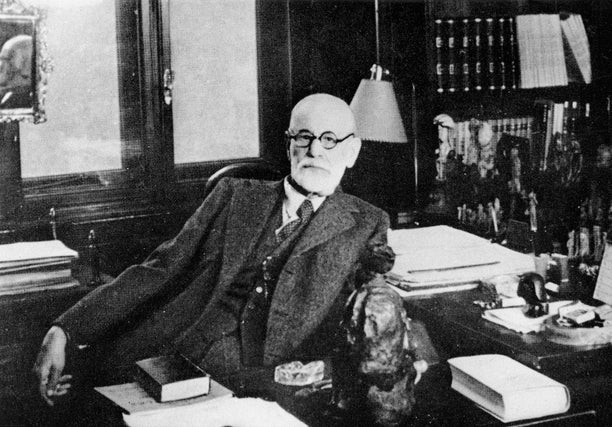
Linda Roland Danil makes the argument for reading Freud as a revolutionary figure, and asks what value Freud's work holds in the age of widening inequality.

The results of the Pakistani election offer some cause for hope, but no leader will be able to fundamentally reshape the country as long as the economy is choked by structural limitations and the military is able to exploit the War on Terror.

In this interview extract Giuliana Bruno thinks beyond conventional cartography to present a narrative guide to the imagination, from medieval emotional mapping to Situationist psychogeography.
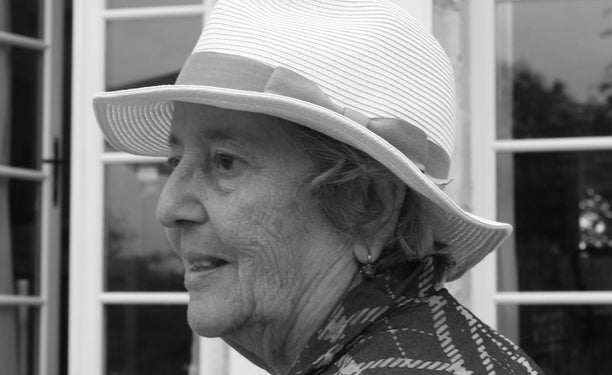
How did a young American woman, born to a secular, working-class New York Jewish family and raised during the Depression, end up in Algiers during a heady period of revolutionary fervor?