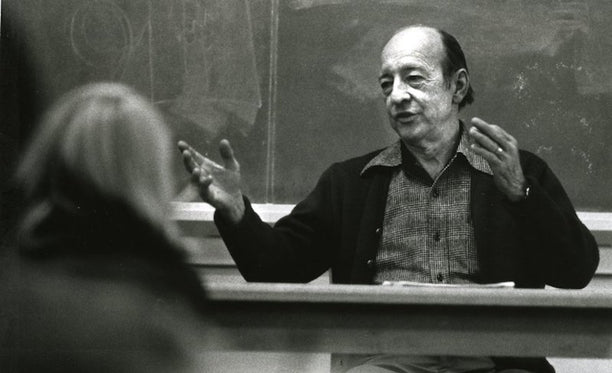
History as a Way of Learning
William Appleman Williams criticizes common abuses of American history and explains his own method.
William Appleman Williams criticizes common abuses of American history and explains his own method.
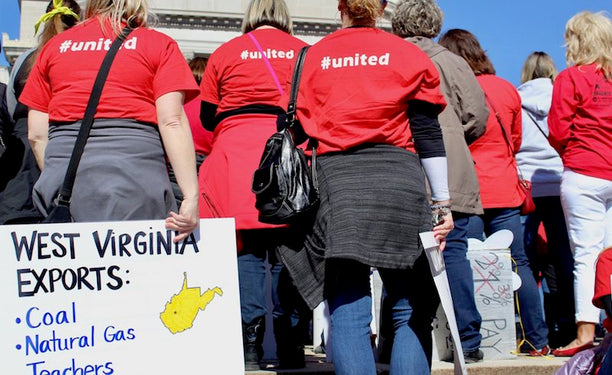
The West Virginia Strike bears the fingerprints of resistance to virtually every malevolent feature of neoliberal capitalism.

To understand the political relationship between individual violation and collective response, we need to explore the theoretical pathways that connect particular harms to universal conditions.
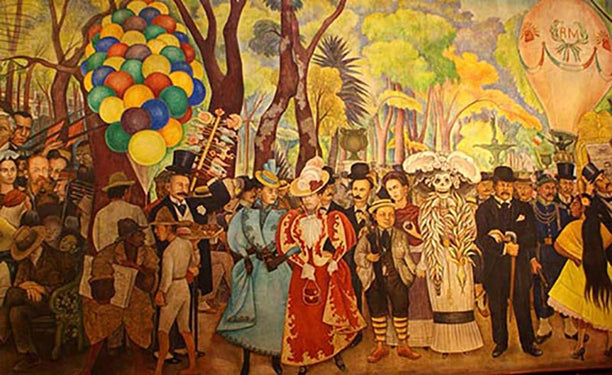
A brief excerpt from Étienne Balibar and Immaneul Wallerstein's Race, Nation, Class — part of the Political Theory bookshelf, 50% off until Sunday, March 4 at 11:59pm EST.
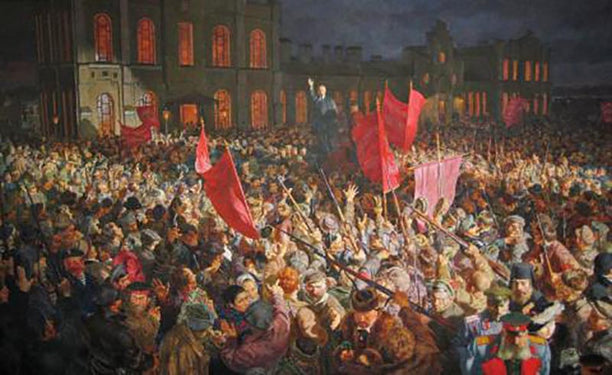
A brief excerpt from Hegemony and Socialist Strategy — part of our Political Theory bookshelf, 50% off until Sunday, March 4 at 11:59pm EST.
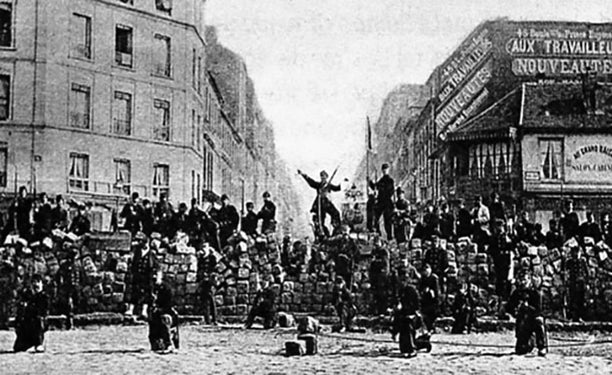
An excerpt from Étienne Balibar's introduction to the 2017 edition of The Philosophy of Marx — part of the Political Theory Bookshelf sale, 50% off until Sunday, March 4 at 11:59pm EST.
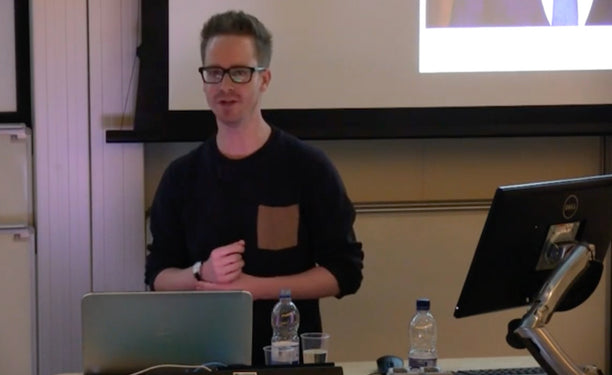
A conversation with Nick Srnicek on accelerationism, technology, and political practice.
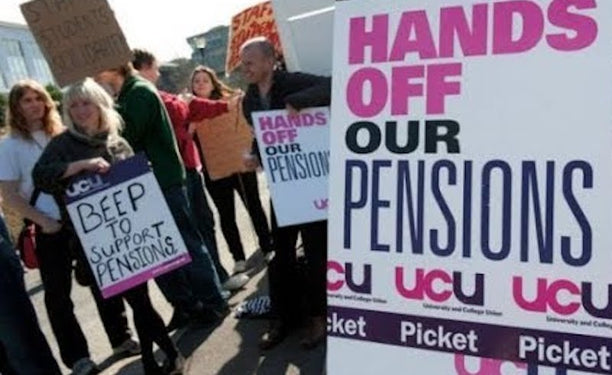
The strike has the capacity to enlarge collectivism and deepen critical thinking, but it has also revealed that striking in an academic context is far from straightforward.

"The best way I — and by extension, hopefully more of us — can learn anything from what happened to me, what has been happening to me, what has been happening to all of us, is to look this ambiguity right in the face."

To defeat populist-nationalist forms of communal authoritarianism we have to fight against more than just communalism.

We must break with “anti-totalitarian” horizon inherited from the neoconservative restoration of the 1980s.

The question of coalitions will be the decisive factor in the character of the next Italian government.