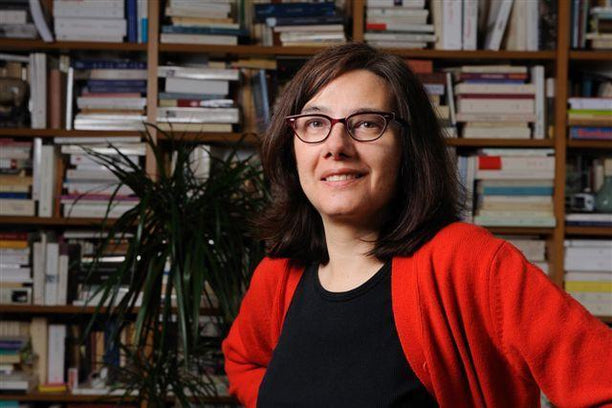
Pascale Casanova: World Citizen of Letters
Pioneering scholar of world literature Pascale Casanova died on 29th September at the age of 59. This essay by Xavier de La Porte originally published in L'Obs, looks back at her life and her work.
Pioneering scholar of world literature Pascale Casanova died on 29th September at the age of 59. This essay by Xavier de La Porte originally published in L'Obs, looks back at her life and her work.

In the first part of a two-part interview Will Davies discusses declining public trust in experts, the blurring of the distinctions between war and peace, the increasing irrelevance of macroeconomic indicators, and the rise of populism, with Alex Doherty on the Politics Theory Other podcast
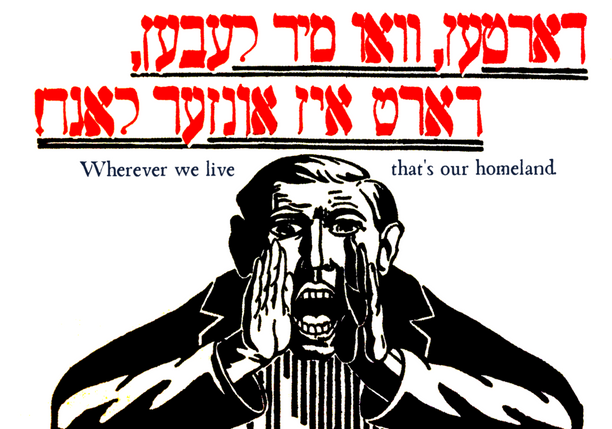
This summer, scandals around anti-semitism in the Labour party, and British society more generally, have flared up repeatedly. Yet, amidst the slanging match, nobody has stopped to develop an account of anti-Semitism capable of explaining both its persistence in contemporary Britain and its improper mobilisation as an allegation. In this piece, an extract from an essay in the forthcoming issue of Salvage, Barnaby Raine argues that it is precisely in developing a rigorous theory of anti-Semitism, one that moves away from conspiratorial thinking, is now an urgent task for the left.
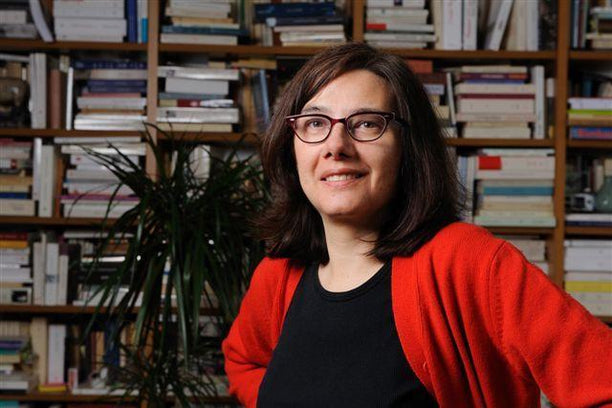
Literary critic and pioneering scholar of world literature Pascale Casanova died on September 29, 2018, at the age of 59. Her works include the landmark study The World Republic of Letters, as well as books on Kafka, Beckett, and literary nationalism.
In this, the first chapter to her Samuel Beckett: Anatomy of a Literary Revolution, she argues, via a reading of Beckett's Worstward Ho, against Blanchot's reading of Beckett as offering a testament to the 'unsayable'. Instead, she argues that Worstward Ho "is a summit of Beckett's ars combinatoria, prodigiously controlled and devised, the magisterial conclusion to the whole oeuvre."
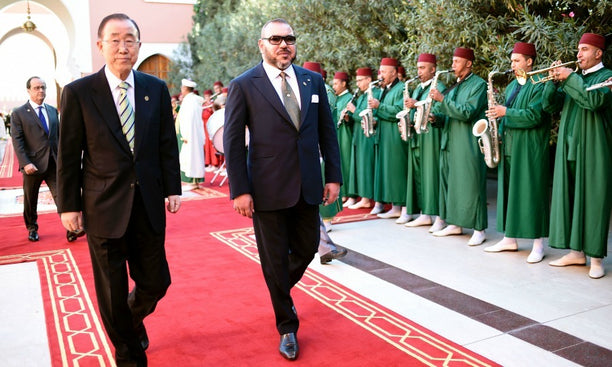
Recent years have seen a hardening of the regime of King Mohammed VI of Morocco. Increasingly protests in the country have been met with repression of dissidents, culminating in the arrest of more than 400 activist from the Northern Rif region. In this interview, Spanish journalist Ignacio Cembrero details the recent history of Morocco and the future of the nation.
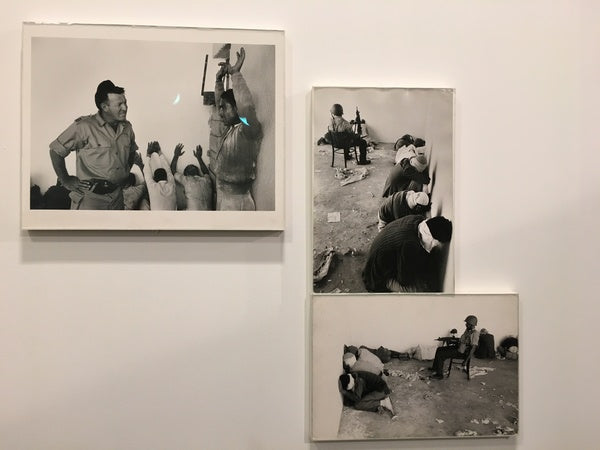
It is often assumed that photographers act as neutral observers, documenting the wrongs of oppressive regimes in the name of the common good. In the third part of the series Unlearning Decisive Moments of Photography, Ariella Azoulay critiques the idea of "engaged photography" and shows that photographers have always played a crucial role in the constitution and perpetuation of imperial regimes.

Wisdom is the fundamental and ancient criterion for a judge. Kavanaugh has failed the test of wisdom not by what he is accused of doing when he was 17 and drunk but by his adult neglect of reflection and his indifference to suffering, something this moment puts in a sharper light.
JoAnn Wypijewski on Brett Kavanaugh.
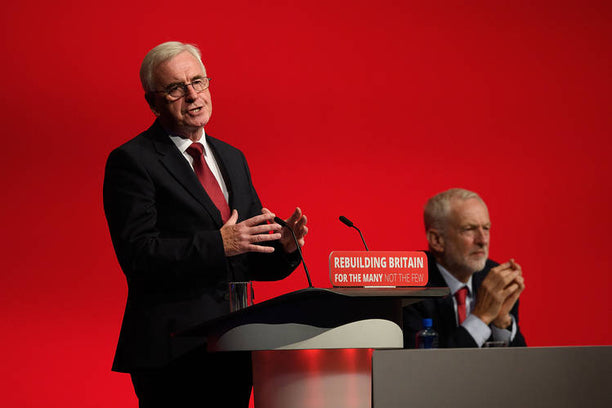
During the Labour Party conference, John McDonnell announced plans for Inclusive Ownership Funds, through which 10% of the shares of large corporations would be owned by the company's workers. This isn't the first time that workers' ownership of industry has been proposed. In this article, Matt Bruenig charts the development of the idea from Rudolf Hilferding to the Meidner Plan, and arges that democratic ownership is a crucial step on the road to a democratic socialist future.

The spectre of war haunts modern capitalism. Yet, the history of economic thought is filled with attempts to overcome or conceal the crucial legitimising role that war plays. In this article, Geoff Mann looks at the role of war in the history and theory of capitalism.

Last chance to download ALL the free ebooks from our student reading – for this weekend only!
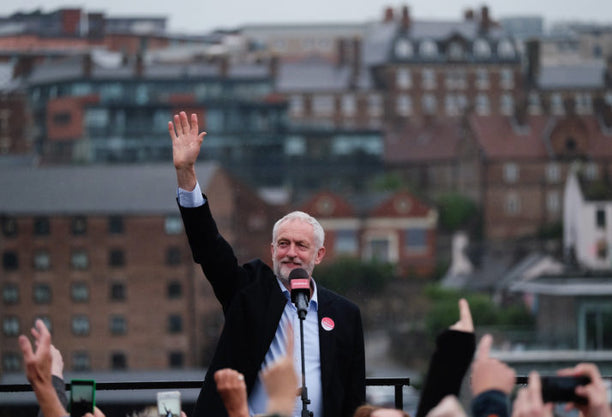
With Corbynism has come the return of big ideas and big politics on the left. The Labour party is now seen as being at the forefront of contemporary left politics, bucking the downward trend of its sister parties. In this article, originally published by Renewal, Adam Klug and Emma Rees argue that a renewed internationalism based on cooperation across borders between parties of the left can help bring new ideas, new techniques, new solidarities and a new sense of optimism when times are tough.
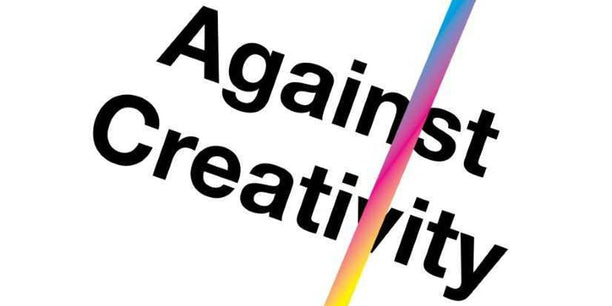
The Suite (212) podcast presented by Juliet Jacques and Tom Overton returns. This week Oli Mould joins Tom to discuss gentrification, Silicon Valley, and how capitalism hijacks the idea of creativity for profit. Oli Mould's new book Against Creativity is out now on Verso.