
Is the AI Bubble About to Burst?
Aaron Benanav on why Artificial Intelligence isn’t going to change the world. It just makes work worse.
Aaron Benanav on why Artificial Intelligence isn’t going to change the world. It just makes work worse.
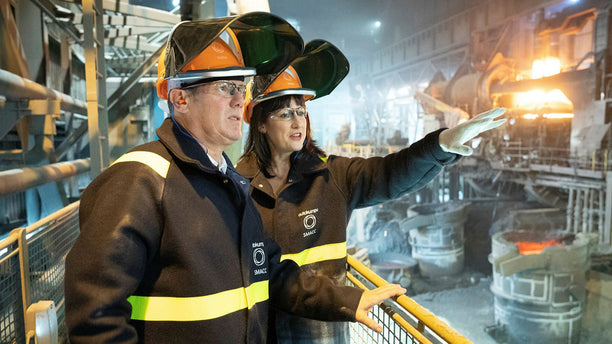
For Erik Olin Wright, our greatest chance at developing non-capitalist economic institutions may be in periods of class compromise initiated from below. The question is what it would take – or even whether or not it is possible – to rebuild such conditions in the present.
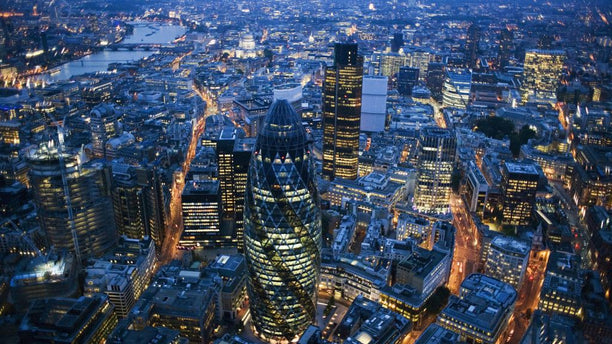
History is filled with cases of left wing governments whose economic plans were sunk by the disciplinary power of global financial markets. With the very real chance of the Labour Party winning any forthcoming general election, would the same happen to them? In this article, Scott Lavery analyses the current conjuncture of global capitalism to see what room to maneuver Corbyn's Labour would have.
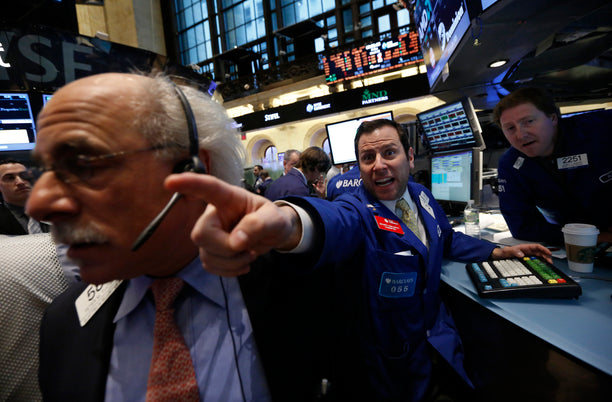
The financial crisis of 2008-9 was the largest and most devastating crisis since the Great Depression. What started on Wall Street soon spread to the rest of world and into the balance sheets of nation states. The cycle of austerity and recession in the subsequent decade is still effecting households and the real economy to this day. But what caused the crisis in the first place? In this now classic essay, Robert Brenner traces the origins of the crisis to the long downturn since the mid '70s, and offers what is still one of the best analyses of the financial system.
In this excerpt from Money, Michel Aglietta insists that money be seen as "an essentially political animal," arguing against the "three lies" relied upon by financial theory and the financial lobby it serves.
20 books on money, markets, and the financial crisis and its aftermath.
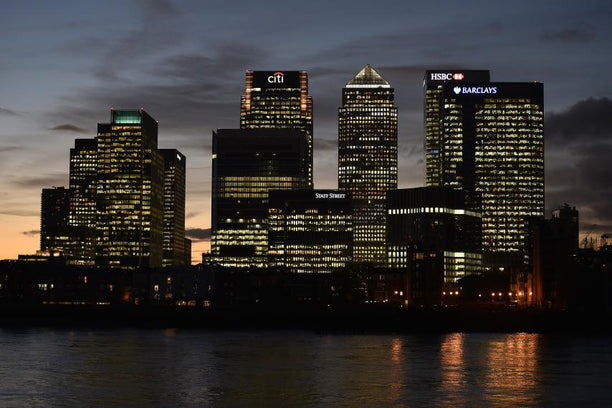
Grace Blakeley discusses the neoliberal financialisation of the UK and world economies, the coming reckoning with the UK's current account deficit, and how we can wrest control away from the City and fund a real industrial strategy with Alex Doherty on the Politics Theory Other podcast.
For much of the 20th century there was a general trend towards greater wealth equality. That is now set in reverse, with wealth much more unequally distributed than incomes. How we can solve his crisis of wealth? This article, by Duncan McCann and Stewart Lansley, argues that the time is right for Citizens' Wealth Funds.
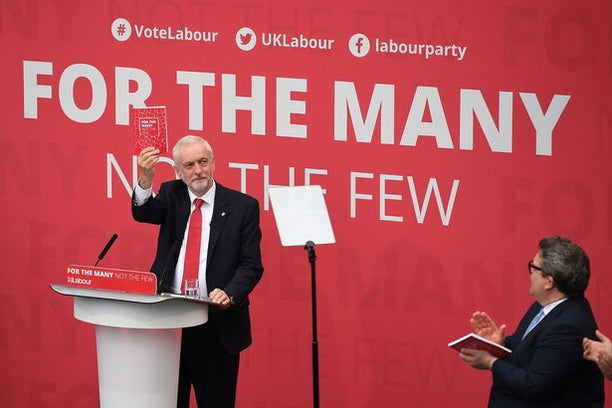
How do we create an economy for the many, not the few? Joe Guinan and Martin O’Neill look at Labour's radical proposals for democratising the ownership of capital and industry.

An extract from Ann Pettifor's The Production of Money, examining the inner workings and the value of bitcoin.
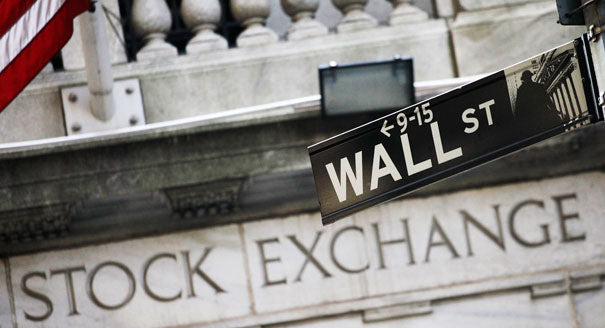

Cedric Durand's Fictitious Capital offers a lucid analysis of the growth of finance and its significance for capitalism. In this essay, originally published by Open Democracy, Durand surveys the current state of the global financial system.