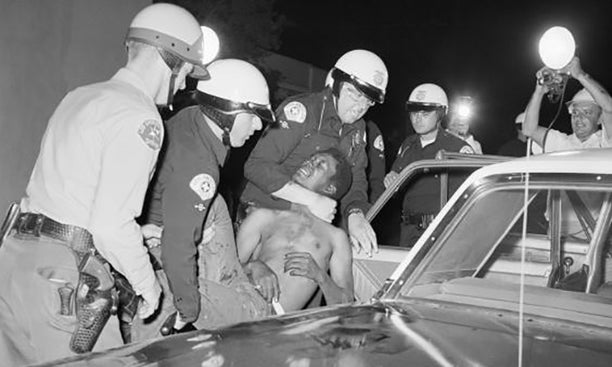
The Midnight Hour: The Watts Uprising
The lead-up to the Watts rebellion in 1965 and the findings of the Hard-Core Unemployment report published in December 1965 by two veteran researchers at UCLA’s Institute of Industrial Relations.
The lead-up to the Watts rebellion in 1965 and the findings of the Hard-Core Unemployment report published in December 1965 by two veteran researchers at UCLA’s Institute of Industrial Relations.

Viral metaphors abound in the cultural and corporate spheres. The AIDS crisis of the 1980s and 1990s influenced the way we spoke about the burgeoning internet technology sector – replete with computer "viruses" and "bugs" – and in doing so helped to entrench existing heirachies. The language of the Covid-19 pandemic is already infiltrating how the crisis is written about and, as Nathalie Olah argues, the way we narrate a crisis has fundamental implications for how it is seen, and who is hit hardest by its effects.
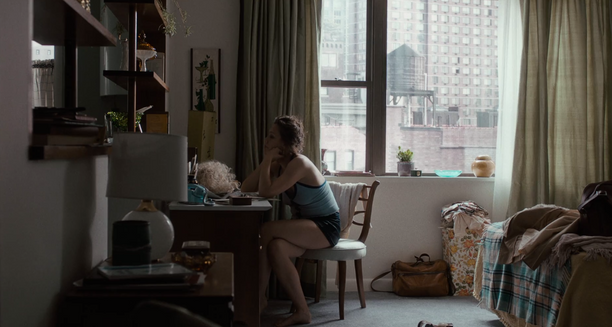
In this new series, authors give us a window into their quarantined days. Here Breanne Fahs waxes poetic about Carey Mulligan, John Prine, and comfort foods.
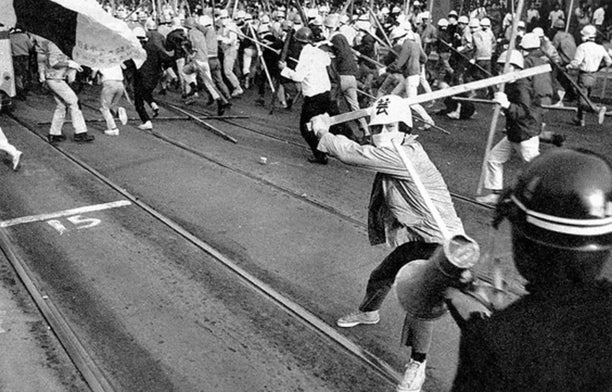
At a glance, the commodity is a product and a variety of use-values, but, if examined in greater depth, it is an ideational form that acts in excess of human volition precisely to restrict or constrain human beings, a form into which everything is enclosed.
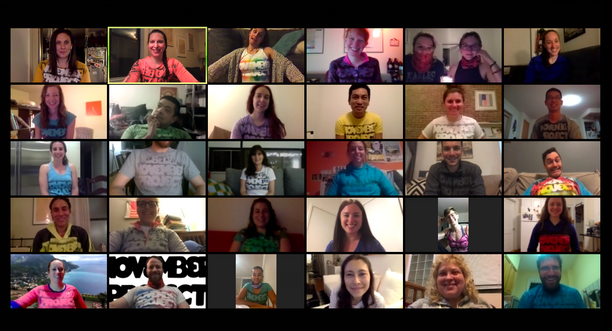
With the near-global lockdown due to the Covid-19 pandemic, many have claimed that the much touted "experience economy" has collapsed. But what if, as Rob Horning argues, this same simulacrum of authenticity has merely migrated online? And if so, what does this tell us about the nature of contemporary experience?
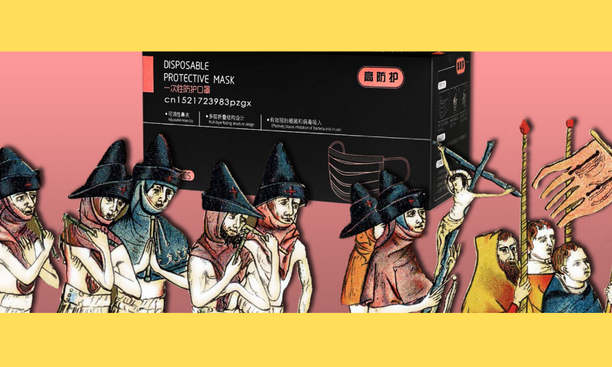
Franco 'Bifo' Berardi charts the spiralling collapse of the social order under the effects of COVID-19.
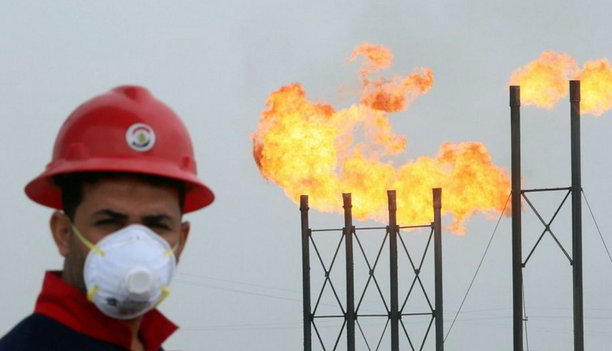
The Covid-19 crisis has lead to a huge drop in the demand for, and price of, oil globally. In this article, Adam Hanieh looks at what this might mean for the global economy.
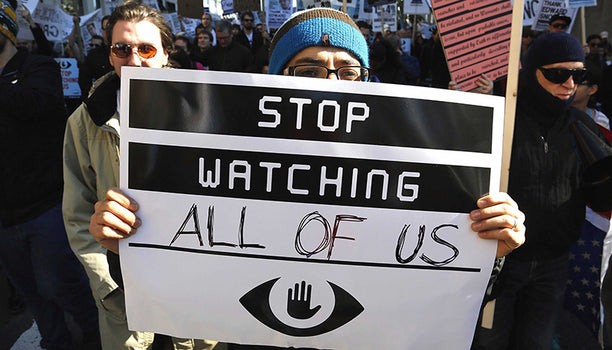
A mysterious package arrives on the doorstep of journalist Jessica Bruder. It's the start of an eye-opening journey into the pervasiveness of government surveillance and how protect individual privacy while trusting your comrades.
One of Verso's favourite podcasts Suite (212) returns for a new series, with a series of interviews with a range of contemporary artists, writers and filmmakers and other cultural figures about their work, asking about the political issues that inspire them and the socio-economic conditions that have shaped their practice.
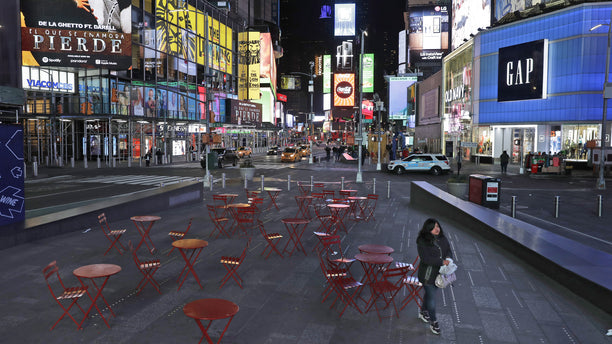
Whilst the full effects of the Covid-19 pandemic are yet to be seen, the near-global lockdown of urban centres has been a jarring experience for city-dwellers. But how does the rapid spreading of the virus change our perception of the city? Here, Ravi Ghosh argues that these conditions prompts us to see the city differently, and sets us the urgent task of extending the right to the city to all its inhabitants.
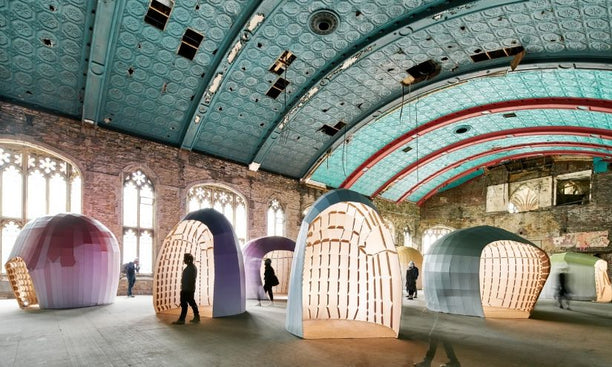
Lauren Velvick on the ways community arts organisations and festivals in Blackburn and Lincoln have responded to the economic and social effects of Covid-19.
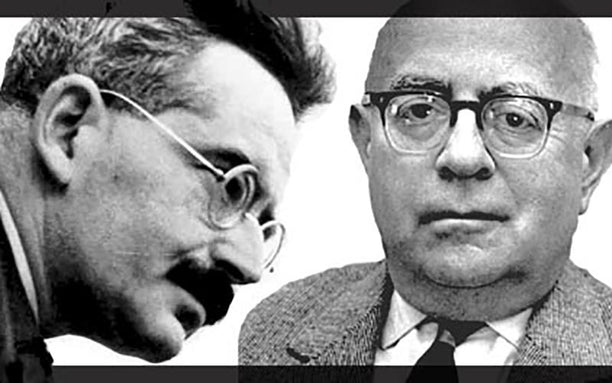
Dialectical thought is an attempt to break through the coercion of logic by its own means. But since it must use these means, it is at every moment in danger of itself acquiring a coercive character: the ruse of reason would like to hold sway over the dialectic too.