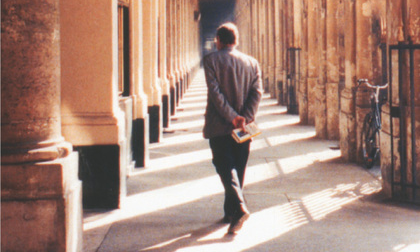
John Sturrock (1930-2017)
John Sturrock, writer, critic and translator, passed away on 14th August 2017, aged 87. He was Consulting Editor at the London Review of Books and an editor at the Times Literary Supplement for many years.
John Sturrock, writer, critic and translator, passed away on 14th August 2017, aged 87. He was Consulting Editor at the London Review of Books and an editor at the Times Literary Supplement for many years.
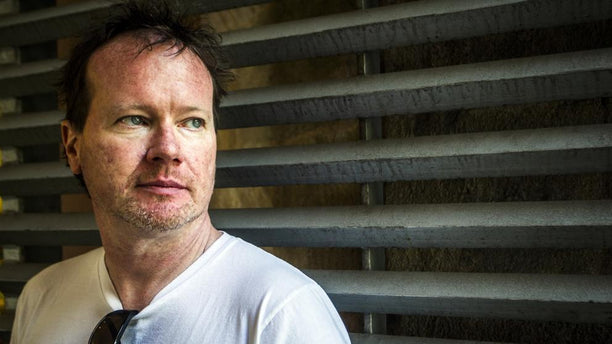
It is in our relationship with non-humans that we decided the fate of our humanity. Becoming human means creating a network of kindness and solidarity with non-human beings, in the name of a broader understanding of reality that both includes and overcomes the notion of species.

An excerpt from Michael Rosen's new memoir, So They Call You Pisher!

Outbreaks of mass violence must be understood as social problems in need of political solutions rather than criminal justice problems in need of more punishment.

As we start our descent towards the seasonal hell of present buying, mutual recrimination, and buyer's remorse, it’s worthwhile to reflect on Adorno’s thoughts on gift-giving.
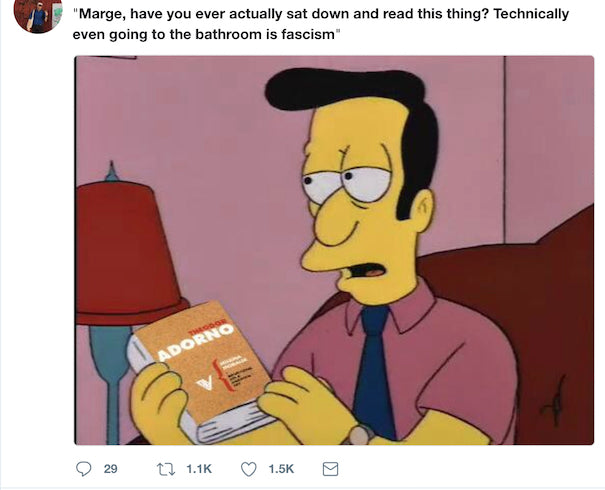
Today we might say the most relevant place to look for ideology in the world of culture is online, on social media.
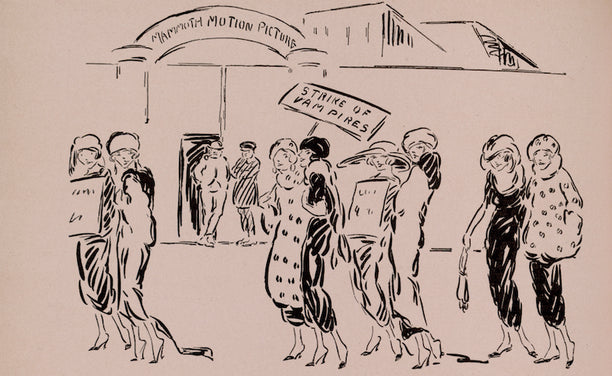
A 1934 poem by Muriel Rukeyser, collected in Red Velvet Seat: Women's Writing on the First Fifty Years of Cinema.
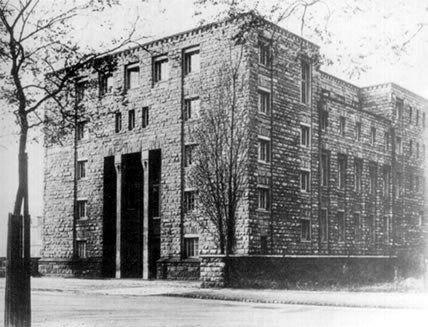
Stuart Jeffries presents a timeline from 1881–2004, threading the lives of leading Frankfurt School thinkers through the major events of the times in which they lived.
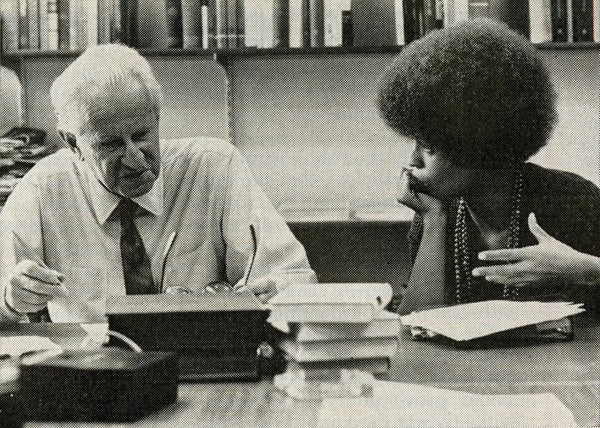
Stuart Jeffries on the Frankfurt School's absence of women and the points of contact between the thinkers associated with the Institute für Sozialforschung and theorists of feminism.
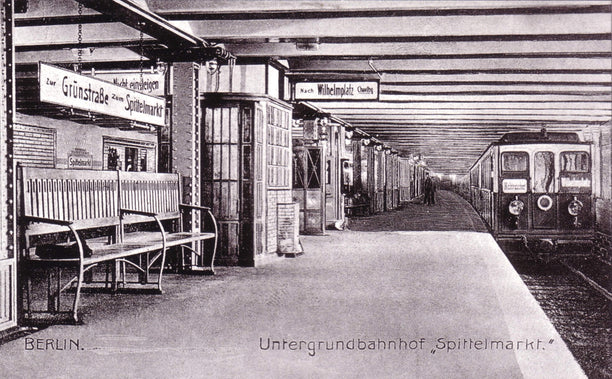
Below is a short essay on train station novels written by Walter Benjamin for Frankfurter Zeitung in 1930, collected in The Storyteller, and translated by Sam Dolbear, Esther Leslie and Sebastian Truskolaski.

The Trump administration's delay in sending real aid to Puerto Rico after Hurricane Maria is a distasteful display of colonialist racism. But it's par for the course: our citizenship has always been second-class.
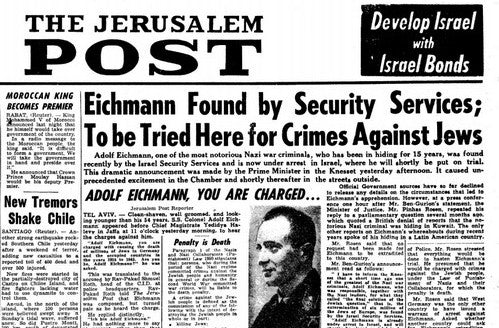
Max Horkheimer's 1960 essay on the arrest of Adolf Eichmann, collected in Critique of Instrumental Reason.