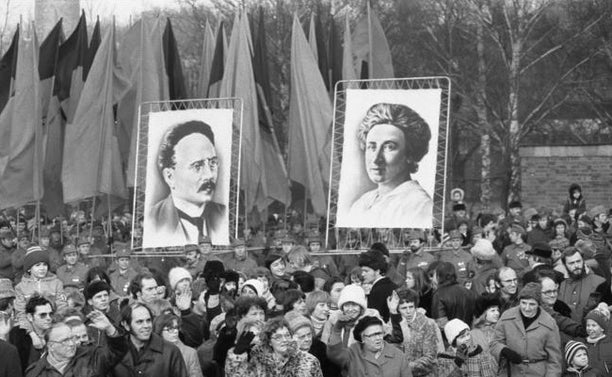
“They were openly calling for murder”
On the 100th anniversary of the murder of Rosa Luxemburg and Karl Liebknecht, Klaus Gietinger is interviewed about the events that lead up to the murders, and who was responsible for them.
On the 100th anniversary of the murder of Rosa Luxemburg and Karl Liebknecht, Klaus Gietinger is interviewed about the events that lead up to the murders, and who was responsible for them.
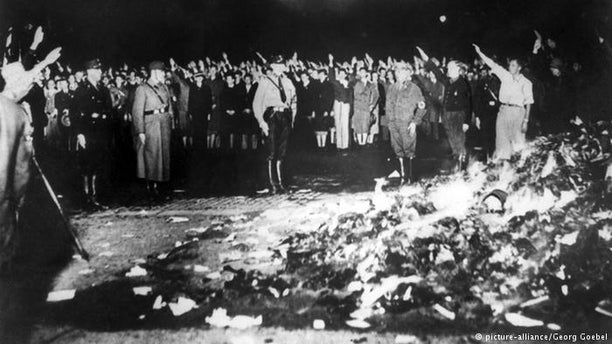
Joni Alizah Cohen discusses the relationship between transmisogyny and anti-semitism in Nazi ideology and her article, 'The Eradication of “Talmudic Abstractions”: Anti-Semitism, Transmisogyny and the National Socialist Project', with Alex Doherty on the Politics Theory Other podcast
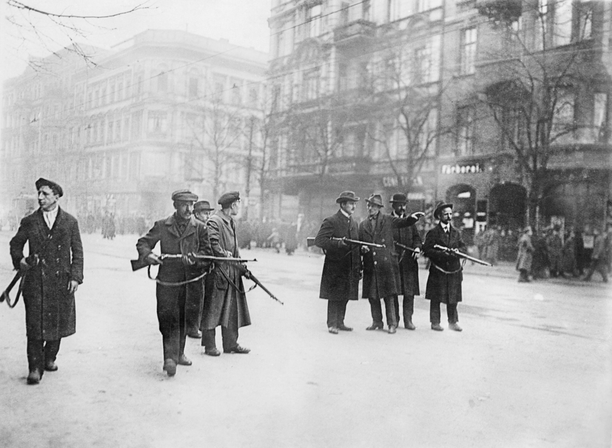
In January 1919, the German Social Democratic Party turned guns on its own supporters, brutally putting down the Spartacist uprising. In this article historian and writer Klaus Gietinger argues that as right-wing mass movements rock countries across Europe and the good old SPD seems doomed to collapse, the party must finally confront its own history.

An excerpt from J.P. Nettl's re-issued biography of Rosa Luxemburg.

Jacques Ranciere interviewed in Chile about his work, contemporary politics and the rise of the far-right.
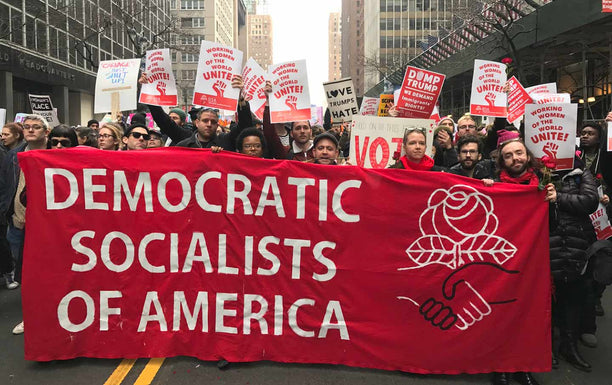
The past year has seen the continuation of the debates in the DSA around questions of class, identity and strategy. In this article, David I. Backer argues against a class separatism which would reduce questions of identity to those of class, and argues for a new perspective which is attentive to both the structures and the experience of capitalist society.
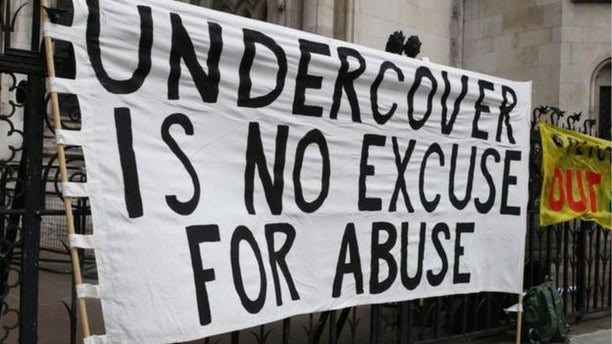
Recent revelations show that at least 140 English and Welsh ‘spycops’, long-term undercover agents, infiltrated around 120 dissident political organisations between 1968 and 2011 - the vast majority of the these being organisations on the left. But why does the state infiltrate political organisations? And why does it disproportionately target those on the left, as opposed to the right? In this article Connor Woodman looks at the history of the British secret state and the role it plays in the maintenance of capitalism.

Jean-Baptiste Fressoz argues that the term "energy transition" masks the persistence of old systems and underestimates the transformation to be achieved.
Who Makes Cents is a monthly program devoted to producing engaging stories that explain how capitalism has changed over time.
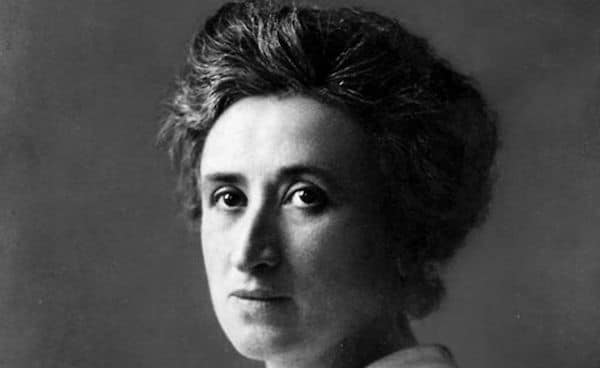
Loren Balhorn interviews author and filmmaker Klaus Gietinger about his new book, The Murder of Rosa Luxemburg.

There has been a resistance to Brexit causing 'hard borders' around Northern Ireland. But, as Luke Butterly argues, the reality for those who do not meet the criteria of 'Irishness' or 'Britishness' is that there has been a hard border on the island for many years.
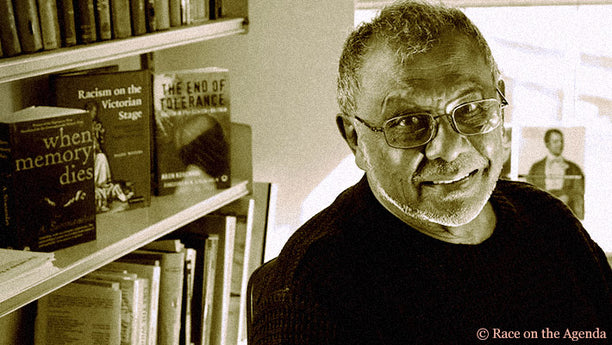
Today marks the one year anniversary of the death of one of Britain's foremost black socialist intellectuals, A. Sivanandan, whose work changed the way we think about race. In this essay, Fathima Cader reads his work via his novel When Memory Dies, which charts the struggles of three generations of Sri Lankans.