
Depathologising, Repathologising: the WHO’s New Guidelines for Trans and Intersex Healthcare
Jules Gleeson explains the history of pathologisation of intersex people with the term 'Disorders of Sex Development'.
Jules Gleeson explains the history of pathologisation of intersex people with the term 'Disorders of Sex Development'.

All thinkers have their father-thinkers; none more so than Daniel Bensaïd. The figures of Charles Péguy, Walter Benjamin and Louis Auguste Blanqui recur throughout his work. In this article, Émile Carmes studies Bensaïd's deep engagement over the years with the work of Blanqui.
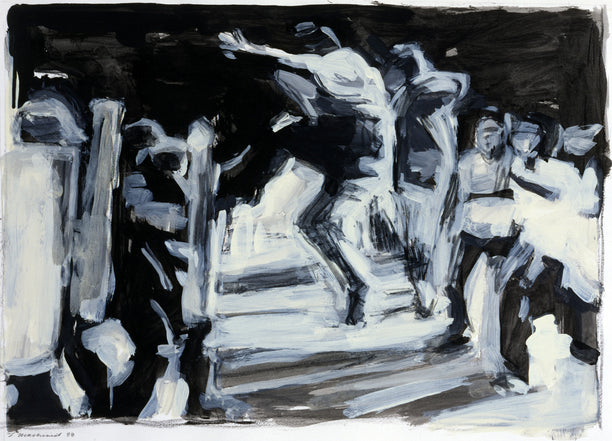
Joshua Clover discusses rebellion and incarceration in relation to the recurrent crisis of state and capital with Rustbelt Abolition Radio.

Eleanor Marx is one of the most tragically overlooked radical figures in history. Sally Alexander explores her outstanding contribution to radical history.

In this interviewed with the renowned philosopher Alain Badiou around the publication of his latest book Petrograd, Shanghaï (La Fabrique, 2018), he discusses the revolutionary legacy of the twentieth century and the future of Marxist theory.
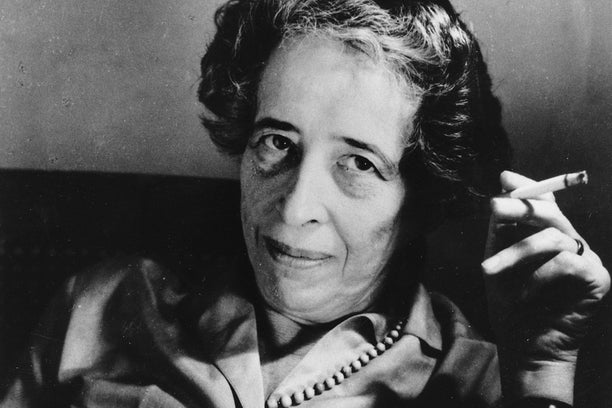
In an era in which public trust in political institutions is faltering, could the legacy of Hannah Arendt offer a new departure for democracy? Hettie O'Brien analyses Arendt's model of council democracy, and how Barcelona en Comú are transforming the way democracy works.
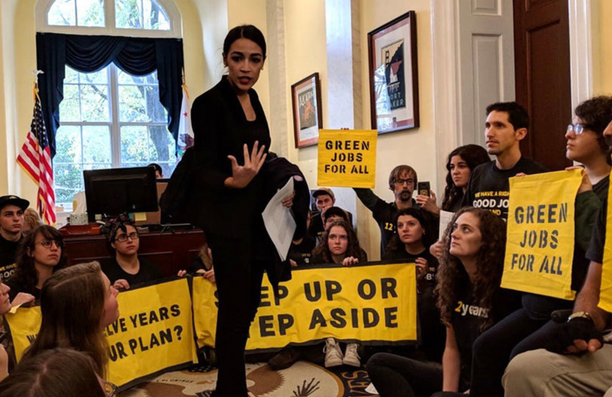
Demands centering on the need for a "Green New Deal", focused on the creation of a public works “green jobs” infrastructure policy, have helped energise the American left in recent weeks. In this article Matt Huber offers four vital lessons from the original New Deal that contemporary activists and policymakers must learn.
Our ultimate books on Philosophy and Political Theory.
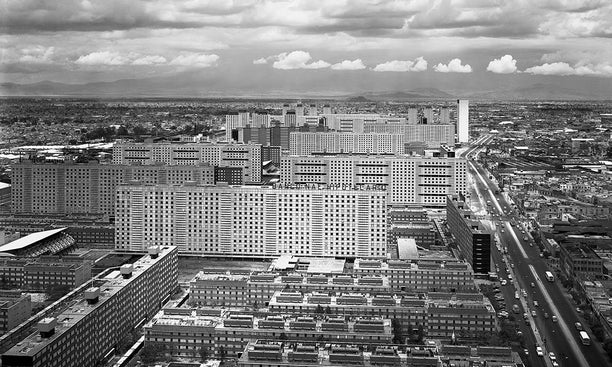
Key reading on our cities and the geography of inequality, politics, and identity.
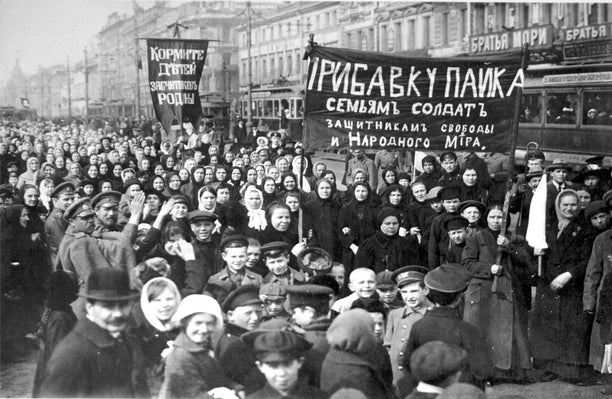
Our essential titles on radical histories.

Although the university space has historically been a site of autonomy and resistance, the last few decades have seen market forces invade this sanctuary of critical thought. But is it enough to oppose the ideal of the autonomy of knowledge and science to the commercial imperatives and bureaucratic controls that govern many universities today? In this essay, first published on Contretemps in 2006, Daniel Bensaïd argues that critical forces in the university must move beyond a defence of the "sanctuary" status, towards the creation of a broader strategy of social transformation, that can only be achieved by collaborating with other centres of knowledge production.

France’s Rosa Parks Collective has called for a “disappearance” on 30 November: a strike from workplaces, schools, universities, and even social media, to be followed by protests on 1 December. Driven by anti-racist movements and their allies, the Collective insists that there can be “No France without Us”. In this vein, it has combined opposition to police violence with a mobilization against state racism, attacks on migrants, unemployment, neoliberalism and colonial counter-revolution.