Blog

  • Displacements of the Problem of Women's Sexualization

    Displacements of the Problem of Women's Sexualization

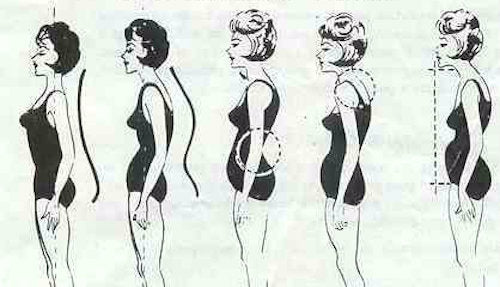
    At the point at which we wrote these stories, we had not yet turned our attention to the way in which sexuality itself is constructed. Writing and discussing stories of this kind left us with a feeling of helplessness; how were we to identify means of defending ourselves against the forms of oppression they described? No matter how far back they went, these stories always depicted the results of an already existing repression of sexuality. Examining the notion of sexuality more closely, we found it to be represented and lived as oppression at the very moment of its emergence; thus its suppression could not be assumed, as we had hitherto believed, to consist solely in a prohibition of the sexual. But then, what is “the sexual”? In the first instance it seems clear that it is something that happens with our bodies. In an attempt then to discover the origins of our deficiencies and our discontents in the domain of the sexual, we decided at an early point in our research to focus our study on our relationships to our bodies and to their development.
  • Reality is Running

    Reality is Running

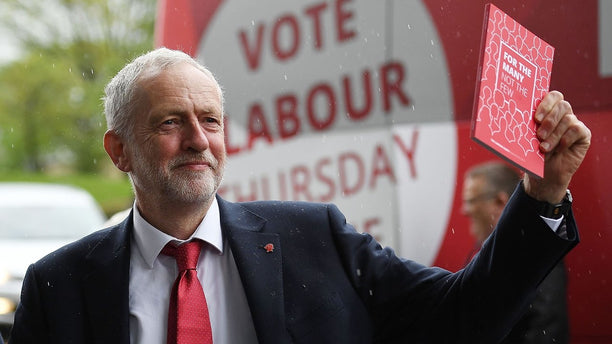
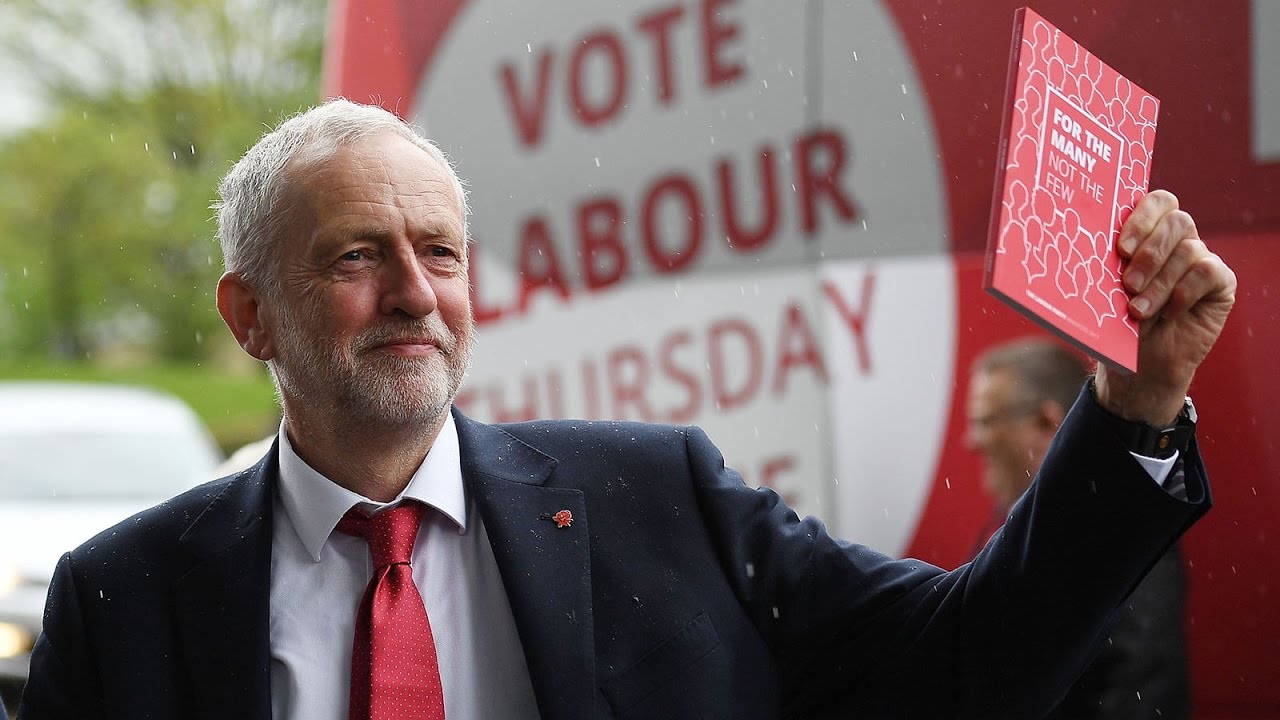
    Corbyn’s accession to the leadership of the Labour Party, and the campaign conducted over the past six weeks, has shifted the space of the politically acceptable: talk of public ownership and common good, once deemed electoral poison, are back on the agenda.  

  • On <i>War Primer</i>

    On War Primer

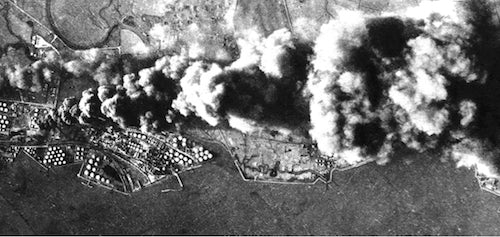
    Brecht’s verses say uncomfortable truths rather than toe party lines and so offer us a still vital critique of the economic forces behind war, of how wartime rhetoric becomes a lie machine unfairly demonising and dehumanising our foes.

  • Stop Making Sense

    Stop Making Sense

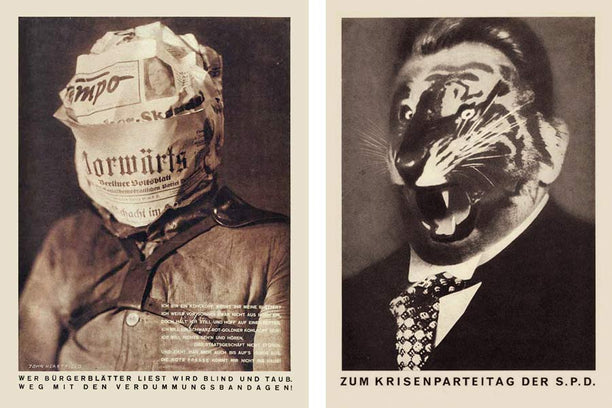
    In Stop Making Sense Huw Lemmey looks at "the image as political tool" through the works of Hannah Höch, John Heartfield, and Bertolt Brecht's War Primer — a series of photo-epigrams revealing the truth of war.

    "The power of the work lies in that dynamic relationship between text and image. These are not illustrations. The text reveals the material nature of the image, cast in sorrow, rage, cruelty and pity. Like Heartfield, Brecht leads the reader to draw an unavoidable political conclusion: the rich and the brutal can only realise themselves in barbarism and death, with their senseless fist-fights conducted on the mounting bodies of the poor."

  • Manual of War: on Bertolt Brecht’s <i>War Primer</i>

    Manual of War: on Bertolt Brecht’s War Primer

    Brecht considered War Primer part of “a satisfactory literary report on my years in exile,” as he wrote in a 1944 journal entry. Since this first English language reception of War Primer on the centenary of Brecht’s birth in 1998, what are we now to make of his poignant modernist epic of four-liner lyrics and scrapbook photos? Today, in our post-crash era, with its renewal of Marxism, Brecht the formalist can be freed from a series of postmodern qualifications. War Primer’s historical intervention can be seen in a new way today. With the far right politically relevant again, Brecht’s image-by-image analysis of social democracy, America, and fascism, which is the veritable heart of War Primer, possesses fresh relevance.

  • McJihad: Empire and Islam between The US and Saudi Arabia

    McJihad: Empire and Islam between The US and Saudi Arabia

    It has become popular today to say that we live in an era of what Benjamin Barber has labelled "Jihad vs. McWorld." The globalising powers of capitalism ("McWorld") are confronted with or resisted by the forces that Barber labels "Jihad" — the variety of tribal particularisms and "narrowly conceived faiths" opposed to the homogenising force of capital. Even those with a critical view of the growth of American empire and the expansion of what is erroneously termed the global market usually subscribe to this interpretation. In fact it is the critics who often argue that we need a better understanding of these local forms of resistance against the "universal" force of the market.

    The terms of this debate are quite misleading. We live in an age, to adapt Barber’s nomenclature, of "McJihad." It is an age in which the mechanisms of what we call capitalism appear to operate, in certain critical instances, only by adopting the social force and moral authority of conservative Islamic movements. It may be true that we need a better understanding of the local forces that oppose the globalisation of capital; but, more than this, we need a better understanding of the so-called global forces of capital.

  • Bertolt Brecht: A Primer

    Bertolt Brecht: A Primer

    40% off all our Brecht reading until June 11

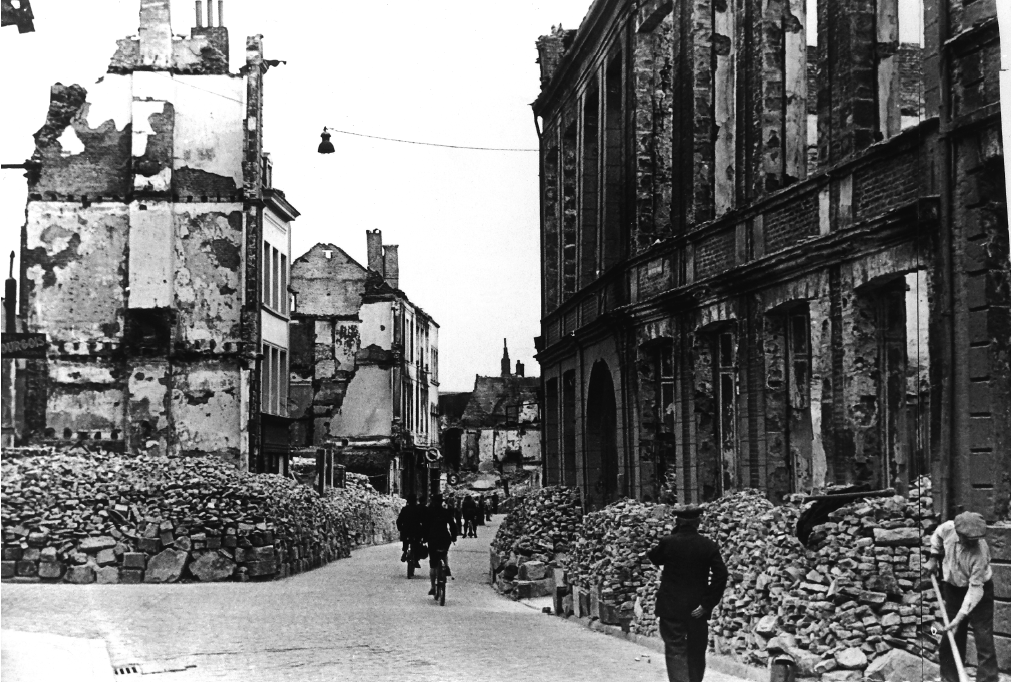
    "I am a city still, but soon I shan’t be –

    Where generations used to live and die

    Before those deadly birds flew in to haunt me:

    One thousand years to build. A fortnight to destroy."

    Bertolt Brecht's War Primer is a terrifying series of short poems by one of the world’s leading playwrights, set to images of World War II.

  • A Deliberate Act: Southwark Council Blames Victims of Housing Crisis

    A Deliberate Act: Southwark Council Blames Victims of Housing Crisis

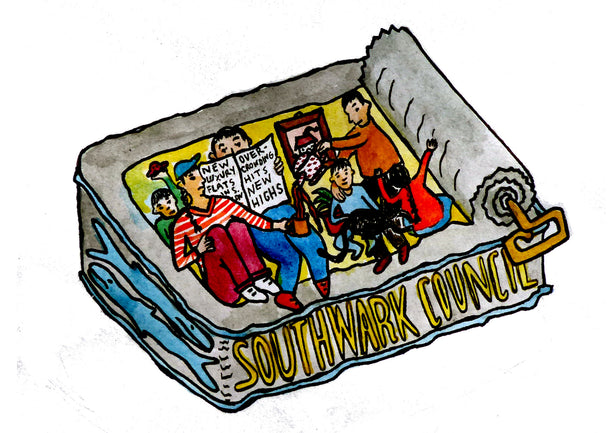
    Housing Action Southwark and Lambeth support the migrant families resisting inhumane housing conditions in Southwark and Lambeth. 


    No one denies there is a housing crisis in London. Well, no one apart from Southwark council, who instead have chosen to blame some of their most vulnerable residents for their housing situations. Members of Housing Action Southwark and Lambeth, living in statutorily overcrowded housing, were shocked to receive letters from the council telling them that their housing conditions had been caused by a 'deliberate act' by the families. Because the overcrowding was deemed a 'deliberate act' the council would not be giving them priority on the housing waiting list that they should be eligible for.

  • General Intellects: how public intellectuals of the twenty first century can write and think against their own commodification

    General Intellects: how public intellectuals of the twenty first century can write and think against their own commodification

    What happened to the public intellectuals that used to challenge and inform us? Who is the Sartre or De Beauvoir of the internet age? The decline of the public intellectual has to do with intellectual labor being absorbed into the production process. General Intellects argues we no longer have such singular figures, but there are, instead, general intellects whose writing could, if read collectively, explain our times. McKenzie Wark presented the idea behind General Intellects at a recent lecture at Virtual Futures in London. This is the first half of his talk.

    General Intellects, along with McKenzie Wark's other books Molecular Red, The Beach Beneath the Street, and The Spectacle of Disintegration are all 40% off until Sunday, June 11 at midnight UTC. All discounts will be taken at check out.


  • The June 1967 War Was a War of "No Choice"

    The June 1967 War Was a War of "No Choice"

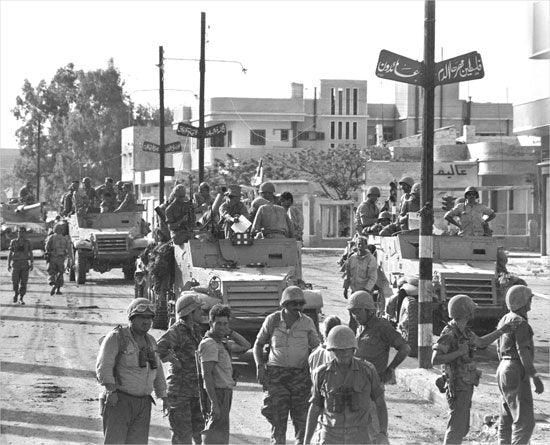
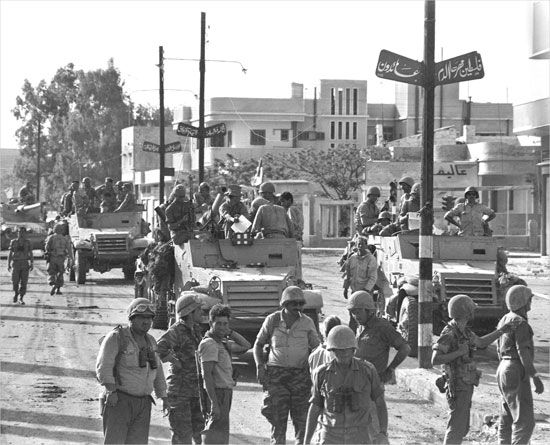
    This week marks the 50th Anniversary of the Arab-Israeli Six Day War, fought from 5-10 June 1967. Israel’s decisive victory included the capture of east Jerusalem and the Palestinian territories – the West Bank and Gaza – as well as the Golan Heights and Sinai. The end of the war marked the beginning of what has become a 50-year military occupation of the West Bank. In Ten Myths About Israel, Ilan Pappe describes ‘The June 1967 War Was a War of “No Choice”’ as a core myth of Israel.

  • After Capital's Revolt: an interview with Wolfgang Streeck

    After Capital's Revolt: an interview with Wolfgang Streeck

    Capital could not just abolish the gains of the postwar period. It was necessary to preserve social peace. The "trick" in the 1970s consisted of using inflation to defuse the emerging conflict between labour and capital over redistribution. The money machine was used to compensate for the loss of income which resulted from the reduction in capital’s contribution to the welfare state… Evidently, that could not last. So from the late 1970s inflation was replaced with public debt, and states borrowed (rather than tax) in order to be able to keep up the level of services. Then, in the 1990s, when states began to worry about the growing weight of debt servicing as part of their budgets, and reduced their spending (and thus social services) we took recourse to private debt. In other words, we made it easier than ever for households to take on debt so that they could preserve their purchasing power, which was being cut back by these budget consolidation measures. And that led us to the 2008 catastrophe.