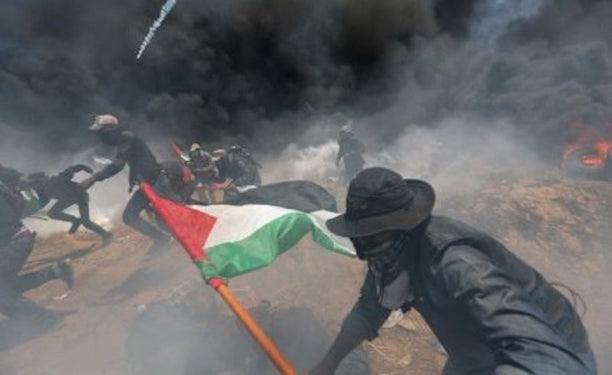
Trump's Nakba
The US embassy move and Israel's ongoing slaughter of Palestinians is a strike against the heart of Palestinian resistance.
The US embassy move and Israel's ongoing slaughter of Palestinians is a strike against the heart of Palestinian resistance.
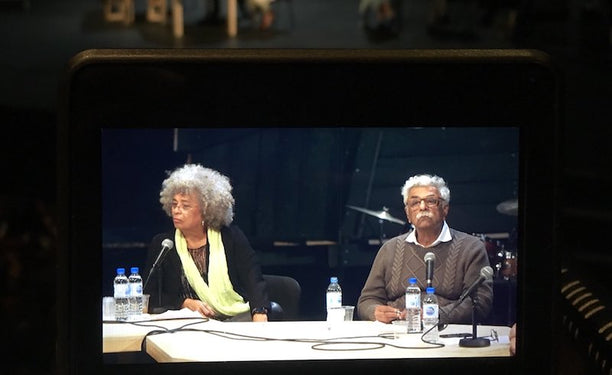
Tariq Ali and Angela Davis discuss the internationalist solidarity that animated the movements of 1968 around the world.
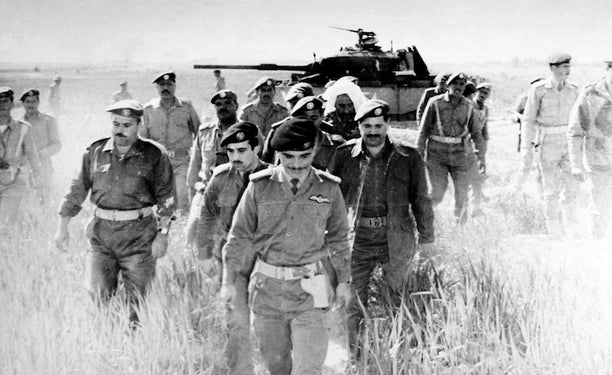
1968 saw the first military victory for armed Palestinian forces against the Israeli army.
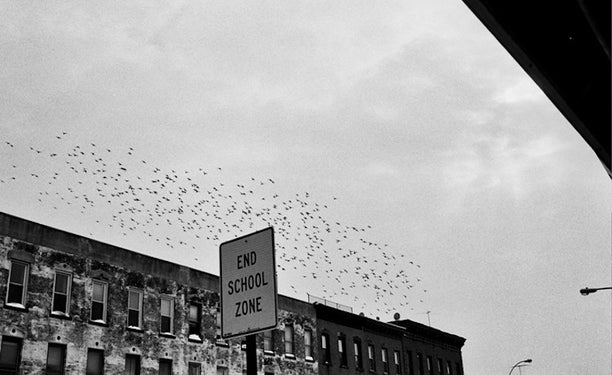
Marjorie Murphy looks at the often fraught relationship between rank-and-file public school teacher militancy and the urban uprisings of the late 1960s and early 70s.
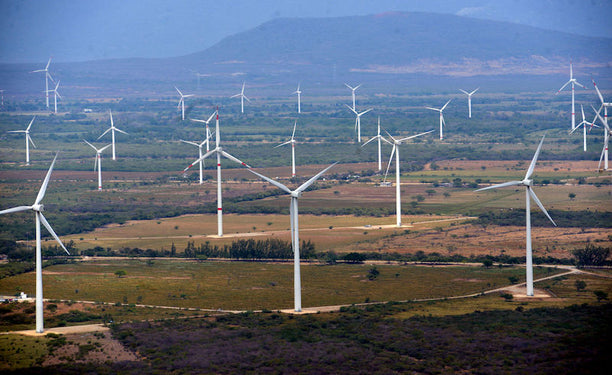
Industrial-scale renewable energy does nothing to remake exploitative relationships with the earth, and instead represents the renewal and expansion of the present capitalist order.
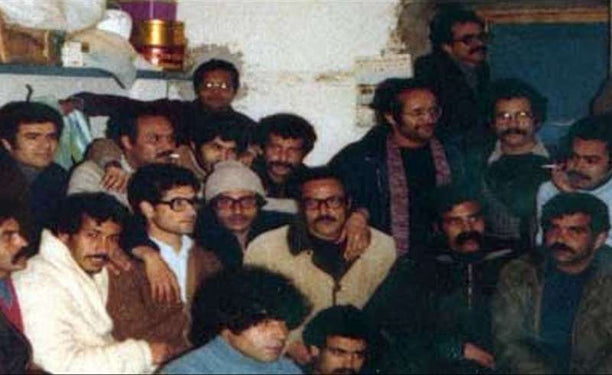
Two months before May 68 in Paris, the student far Left in Tunisia revolted against Habib Bourguiba’s post-independence régime.
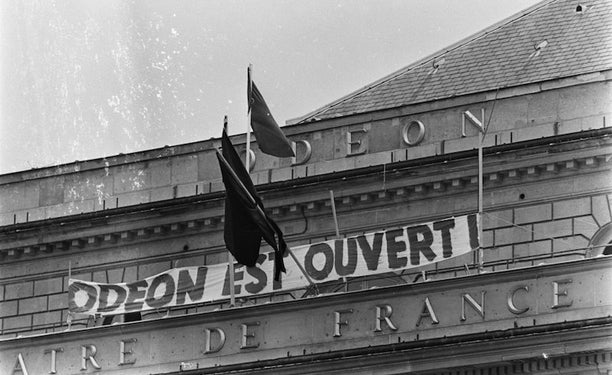
In this excerpt from The Comrade from Milan, Rosanna Rossanda recounts her experiences of May 1968 between Italy and France.
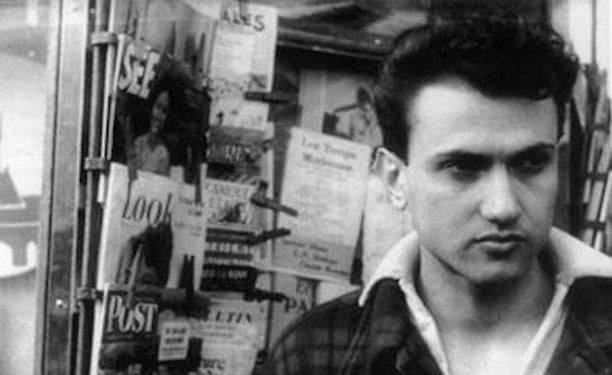
A translation of Isidore Isou’s "Between Isou and Marcuse," published in the Lettrist journal Youth Uprising in the summer of 1968.
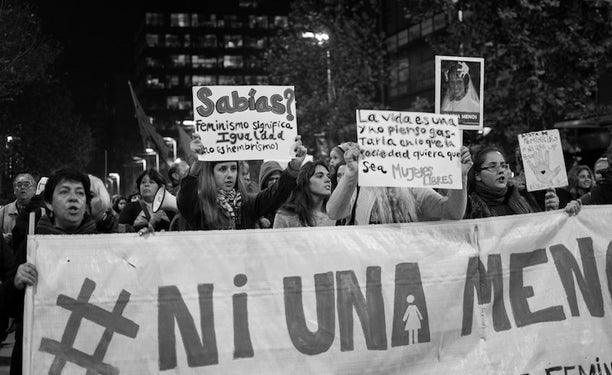
We were born from the confluence that is taking place between workers in neighborhoods, in factories, in the popular economy, between domestic workers, care workers, precarious workers, among those organized in unions and multiple other feminist collectives, among those who don’t have a visible boss but engage in piece work in their homes and those who are unemployed workers.
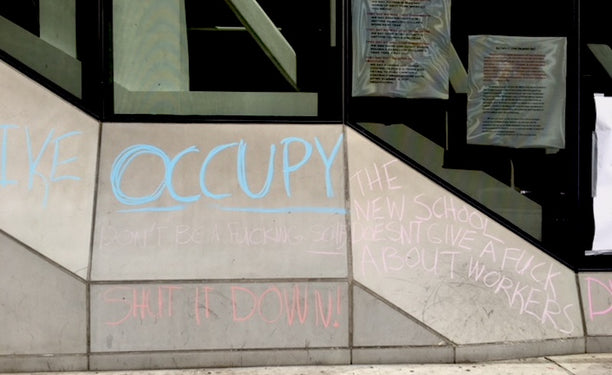
The New School administration has been unrelenting in its effort to push back against student and cafeteria workers' demands for fair working conditions and basic dignity.
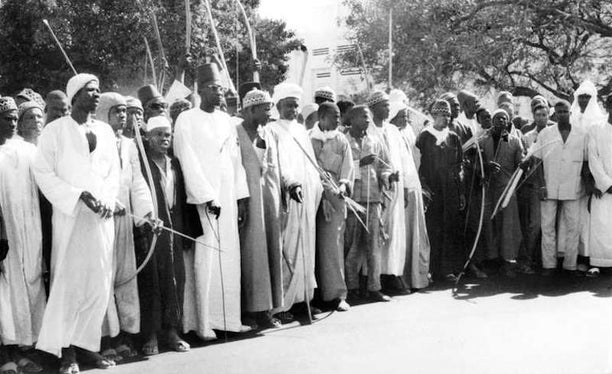
Africa should not be left blank on the map of scholarship that seeks to understand 1968 in a global perspective.
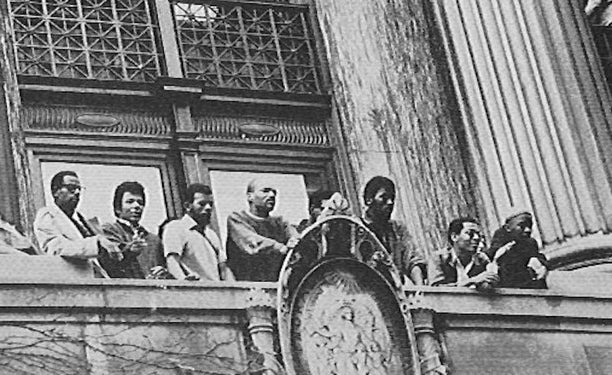
How a Black United Front in Harlem, the Students’ Afro American Society, and Students for a Democratic Society took on Columbia University, Mayor John Lindsay, the New York Times, the NYPD in 1968 — and won!