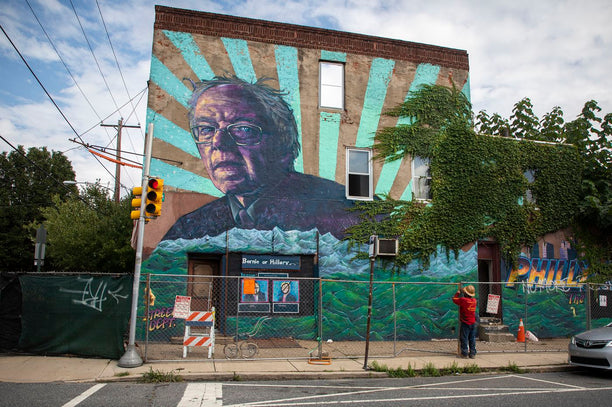
From the Streets to the State and Back Again: Learning from the Sanders Moment
After Bernie and days before the Presidential Election, where does the U.S. left – and its ambitions for an independent mass socialist politics – stand?
After Bernie and days before the Presidential Election, where does the U.S. left – and its ambitions for an independent mass socialist politics – stand?

"The legacy of the corona crash will be the concentration of economic and political power in the hands of a tiny oligarchy, composed of senior politicians, central bankers, financiers and corporate executives in the rich world."
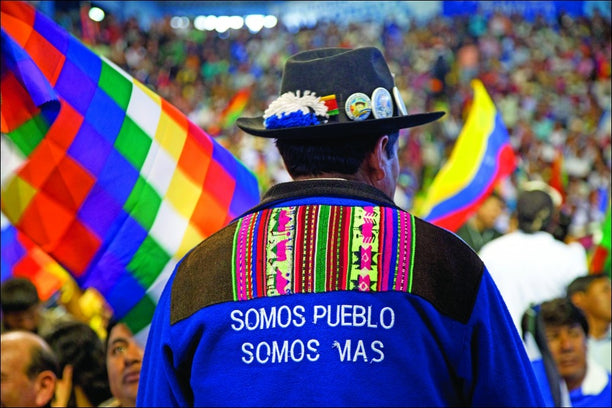
Following the recent election victory for Luis Arce and the Movement Towards Socialism in Bolivia, the Democracy Industry was quick to proclaim this as a victory for democracy itself. In this article, David Adler argues that by doing so, liberals overlook the historic power of workers in the fight against authoritarianism.
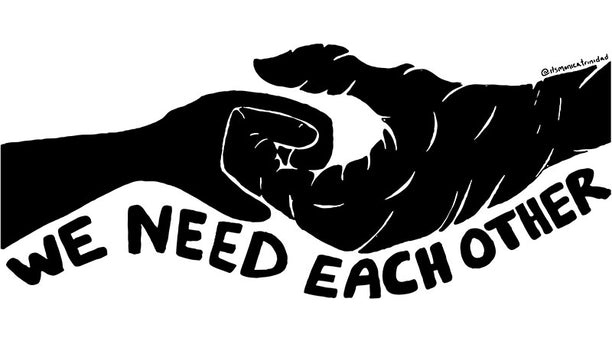
Dean Spade picks five books that explore how mutual aid projects have been part of every powerful social movement.
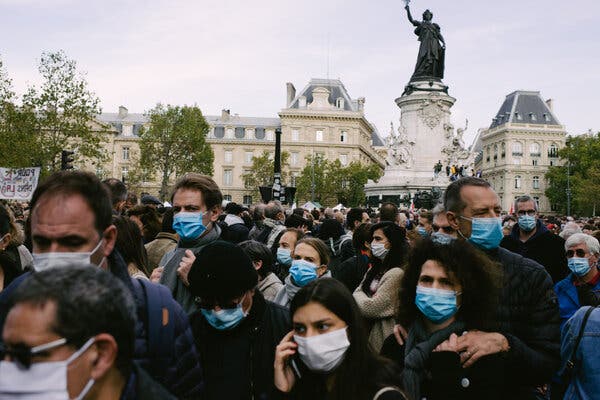
Houria Bouteldja on the current situation in France.
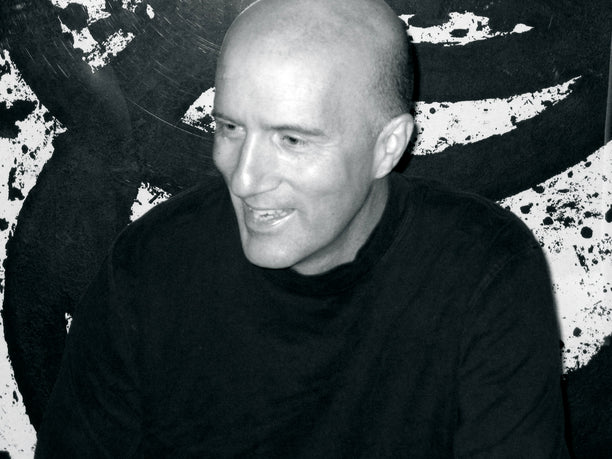
Hal Foster interviewed by Andreas Petrossiants about his new book, What Comes After Farce?
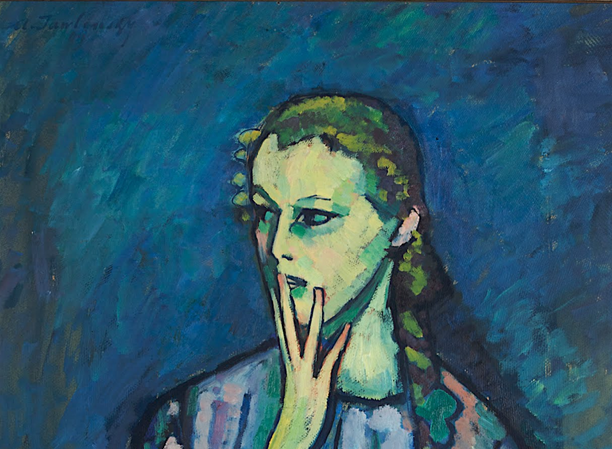
Jacqueline Rose's reading of Freud's famous case study 'Dora' from Sexuality in the Field of Vision remains one of the most important interventions not only in the interpretation of that case and its place within Freud's theory but also of the relation between psychoanalysis and feminism.
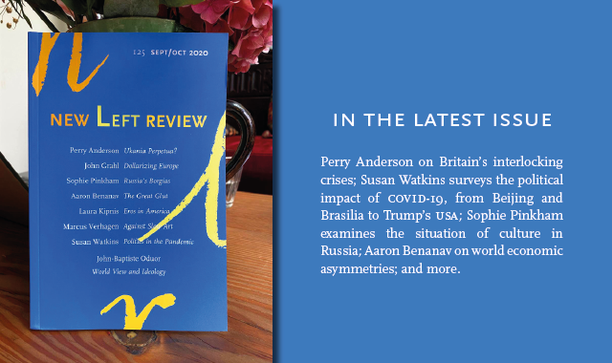
In NLR 125: Perry Anderson on Ukania, Susan Watkins on the politics of the pandemic

Maher al-Akhras, a Palestinian father of 6, has not eaten for 87 days in protest against detention without charge. Anat Matar writes about the case, and the broader struggle against administrative detention.
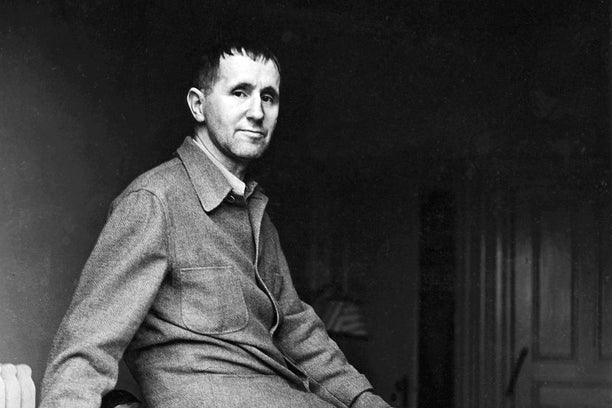
Benjamin, Brecht, and Adorno, each in their own way, try to square their admiration for the early work of Georg Lukács with his later work, after his reputation gained official authority and was swallowed up by the ambience of the Comintern.

The latest episode of Politics Theory Other, a podcast supported by Verso Books.
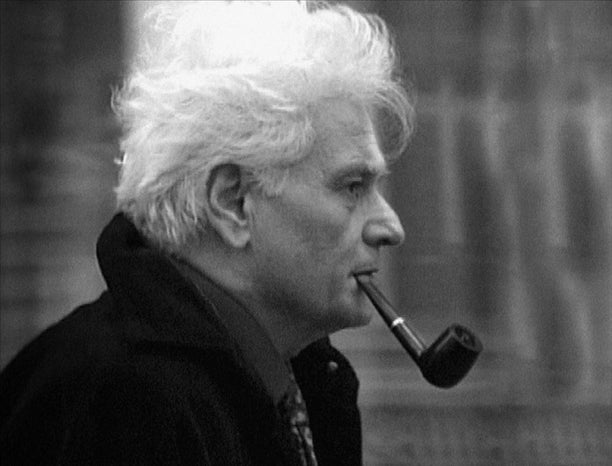
Until relatively recently, Jacques Derrida was seen by many as nothing more than the high priest of Deconstruction, by turns stimulating and fascinating, yet always somewhat disengaged from the central political questions of our time. Or so it seemed. Derrida's “political turn,” marked especially by the appearance of Specters of Marx, has surprised some and delighted others.